Wondering what Béarn cuisine will put on your plate? Expect slow-cooked, farm-led food from the Pyrenean valleys: garbure, duck, sheep’s cheese, salted pork and pastis. Start with the table below.
| Item | Key fact |
|---|---|
| Pastis made by Amélie in Mazerolles | More than 48 hours of preparation |
| Russian of Artigarrède, Oloron-Sainte-Marie | Created in 1923 |
| Coucougnette of Pau | Prize for Best Bonbon in France, 2000 |
| Spring water at Salies-de-Béarn | Ten times saltier than seawater |
| Salt of Salies-de-Béarn | Labelled IGP since 2016 |
| Sauce béarnaise | Invented in 1837 in the Paris region |
These figures come from the Tourisme64 guide to local specialties and from Routard’s report on the Béarn des Gaves. They can change, so check the source before you rely on them.
What Béarn cuisine is built on
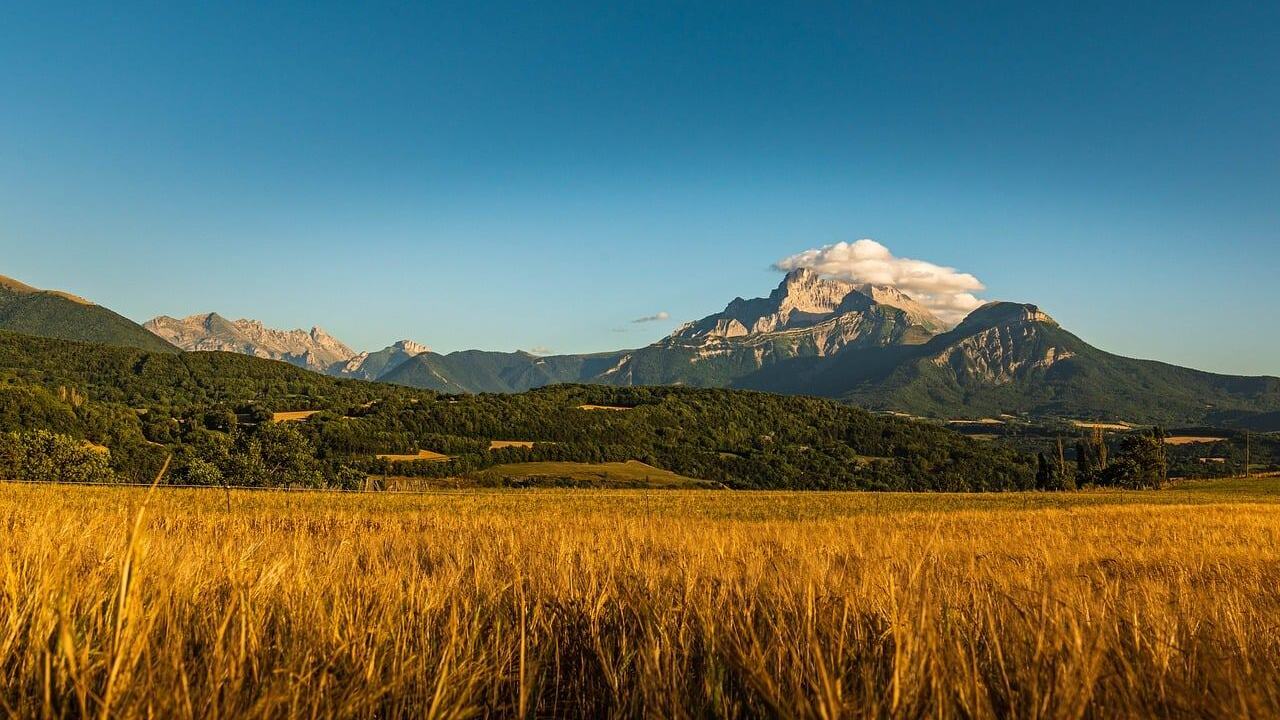
The food of Béarn comes from a fertile, agricultural corner of the Pyrenees, where valleys, mountain pastures and river plains each add something to the table. The Guide Béarn Pyrénées traces a route from the Pyrenean valleys and mountain pastures to Navarrenx, where the Gave rivers flow. It then continues through Vic-Bilh and the area around Pau, past the Jurançon and Madiran vineyards.
Tourisme64 puts the logic in one line: Béarn and the Basque Country share a generous gastronomy, built around livestock farming, fishing, local cultures and family recipes, as the Tourisme64 guide explains. In other words, the table follows what the land and its animals provide.
The building blocks keep returning, whichever village menu you read:
- Duck and other farm poultry, eaten in many forms.
- Sheep’s milk cheese from the mountain pastures.
- Salted, dried and cooked pork, including the local andouille.
- White beans grown alongside corn.
- Salt from the spring at Salies-de-Béarn.
- Sweet and dry wines, plus a few cakes with a loyal local following.
Béarn forms a department with the Basque Country and is, in the words of Routard, the more discreet of the two. Its neighbour relationship shows on the plate: Routard’s report on the Béarn des Gaves says Béarn and the Basque Country together make up the Pyrénées-Atlantiques, and several products, Ossau-Iraty cheese among them, are made on both sides of the line.
The market is where all of this meets. The Guide Béarn Pyrénées calls the market the heart of a town or village, a place for meeting and sharing, where producers give advice and recipes, as it says on its food lovers page. If you read only one habit from this guide, make it this one: buy from the person who made it, and ask how they cook it.
Classic dishes: garbure, poule au pot and more
Garbure is the dish most often used to introduce the region. The Guide Béarn Pyrénées describes slow-cooked vegetables served with duck, pork or chicken in a pot. Tourisme64 calls it a generous peasant soup made with vegetables, beans and meat, as written in its specialties guide.
If you want to cook it at home, the garbure recipe on this site walks through the method. Serve it with sturdy bread, which is where the bread side of the table begins.
Inns in the Béarn des Gaves show what a traditional menu looks like. Routard’s report from March 2017, available at the Routard Béarn des Gaves page, lists these typical dishes:
- Garbure made with duck wings.
- Duck confit.
- An omelette with cèpe mushrooms.
- Piperade.
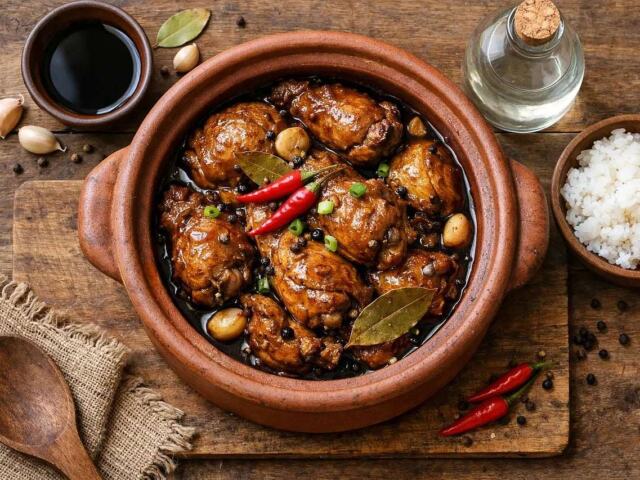
- Poule au pot.
Poule au pot, chicken cooked in a pot, is bound up with the story of the king. The Guide Béarn Pyrénées says the famous chicken in a pot of Henry IV was born in Béarn, and Routard describes Henri IV as a native of Pau, both in the food lovers guide and in the Routard report. The full story and method sit in the poule au pot Henri IV guide.
Game also has a place. Wood pigeon hunting is a centuries-old tradition in Béarn, according to the Guide Béarn Pyrénées. It is traditionally eaten in salmis, a type of stew, and gourmets rate it higher still when it is truffled.
Then there is the trap on the menu. Sauce béarnaise has only the name of Béarn, says Routard: it was invented in the Paris region in 1837 by the chef Jean-Louis-François Collinet at the Pavillon Henri IV. He reportedly named it after seeing a statue of Henri IV, who came from Pau, in the Routard report.
The sauce is made from melted butter, egg yolk, tarragon and shallot, and it suits the local meats well. The sauce béarnaise recipe on this site shows how to make it at home.
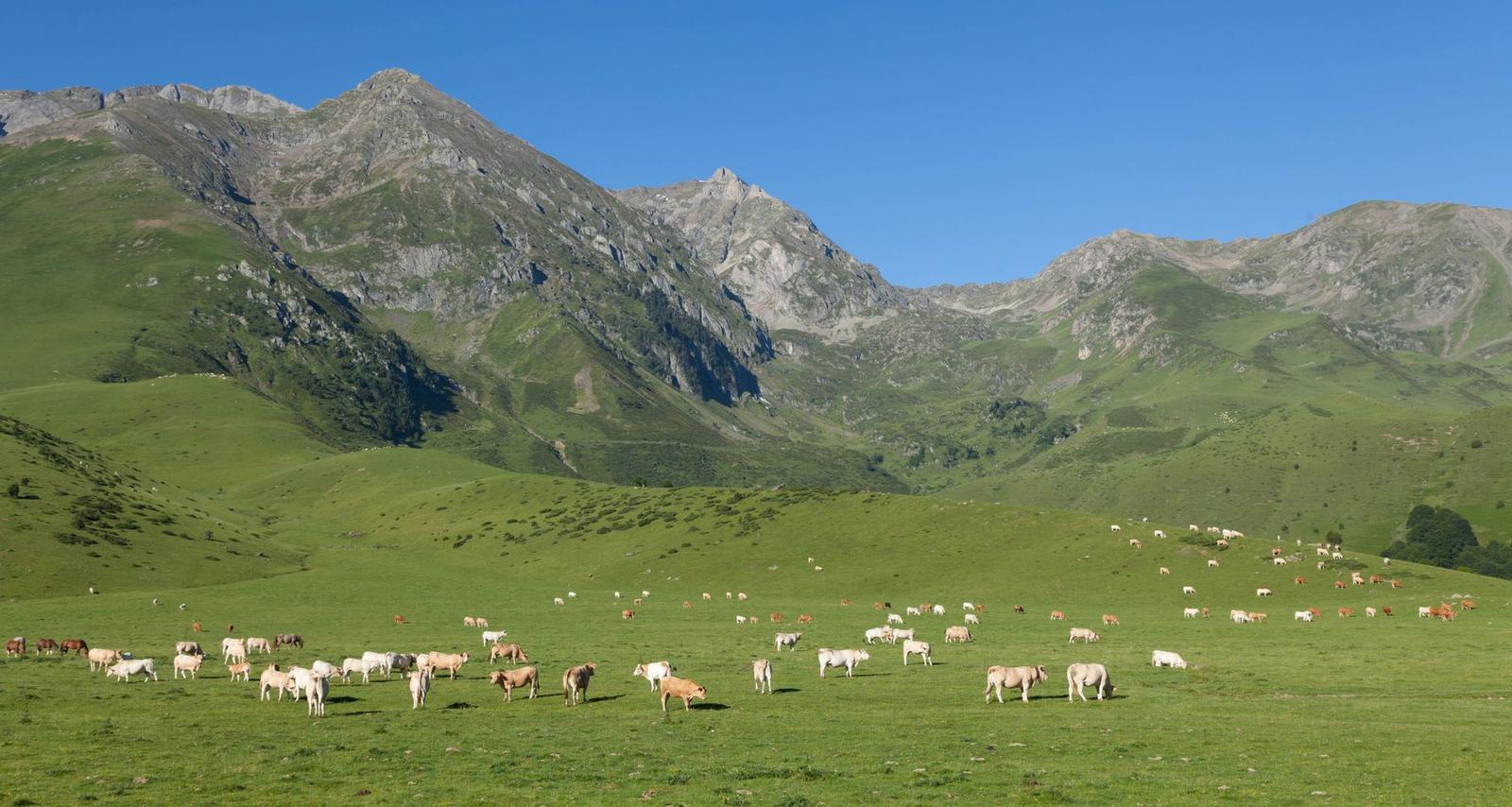
Farm produce: duck, beef, lamb, pork and river fish
Duck and poultry
With a duck, almost everything is edible, says the Guide Béarn Pyrénées. The parts it lists show why duck sits at the centre of the southwest kitchen:
- The liver and the gizzards.
- Gratons, the skin, fat and scraps of meat used to make pâté.
- Confit legs and wings.
- The breast, known as magret.
- The carcass, which makes a rich stock.
Duck is the star, but not the only bird. The same guide names chicken, capon, pullet, guinea fowl and quail among the poultry of Béarnese cuisine. In the Béarn des Gaves, Routard adds that raising fattened ducks is a well-rooted tradition, which brings foie gras, rillettes and confits to local tables.
Beef, lamb and kid
The Béarnaise cow is a blonde breed originating from the Pyrenees, well suited to both milk and meat, according to the Guide Béarn Pyrénées. It is hardy and slow-growing, which gives its meat a distinctive character. Routard also mentions the Blonde d’Aquitaine breed, which has a festival every third Saturday of August in Sauveterre-de-Béarn, in its Béarn des Gaves report.
Basque-Béarnais milk-fed lamb comes from valleys that allow grazing in meadows and summer transhumance to the estives, the Pyrenean pastures. The Guide Béarn Pyrénées calls transhumance a tradition that continues, a way of life for the shepherds. The same page adds that the Pyrenean goat is an ancient breed that almost disappeared, and breeders fought to bring it back.
Pork and andouille
The Black Pig of Bigorre is a purebred Gascon pig, raised close to its natural living conditions, says the Guide Béarn Pyrénées. It places the Pays de Nay at the gateway to Bigorre, with its famous black pigs and spit-roasted cakes.
Pork also gives the region its andouille béarnaise, which is not the andouille many visitors expect. The Guide Béarn Pyrénées describes pork tripe, blanched, dried, then matured for 12 long weeks and cooked in broth, with the butcher Michel Loge in Bidos named as a place to taste it.
Tourisme64 describes the same sausage slightly differently, as defatted pork bellies cut into strips, seasoned, dried for several months and cooked for a long time in broth, made at Salaisons Loge in Bidos, in its specialties guide. The two descriptions differ, so ask the producer what goes into the one you buy. Tourisme64 suggests thin slices, cold or slightly warm, with country bread.
Salmon, trout and beans
Wild salmon is caught in the Adour River and the Gave de Pau and Gave d’Oloron rivers, says the Guide Béarn Pyrénées, and it calls this a rare product that deserves special care. The guide points to Maison Barthouil in Léren, with its discovery area called La Maison du Saumon, for a look at traditional smoking. In the mountain streams you will also find trout.
The corn bean is a Tarbais-type white bean planted alongside corn, so the tall stalk supports the climbing bean. The same guide says the bean benefits from Protected Geographical Indication and Label Rouge status, though the page carries no date, so check the current labels. It has very thin skin and tender, non-mealy flesh, and it suits garbure, cassoulet or lamb.
Cheese, salt, charcuterie and wine
Ossau-Iraty is the star of the Pyrenean sheep’s cheeses, says the Guide Béarn Pyrénées. Each valley and mountain has its own cheese specialties, and some carry the word estive when they come straight from summer pastures.
Tourisme64 describes Ossau-Iraty as a sheep’s cheese with a frank and slightly nutty taste, emblematic of the local mountains, and lists it as a PDO cheese as of its page updated on 2 September 2026, in the specialties guide. Routard recommends a small touch of black cherry jam with it. The Ossau-Iraty cheese guide explores the cheese in detail.
Salt is the pride of Salies-de-Béarn. Routard reports that the spring has been exploited since the Bronze Age and is ten times saltier than seawater, that the spring water is first heated to 83°C and then left to evaporate, and that the salt crystallises at the bottom of the pan. The Routard report, dated March 2017, adds that the salt has carried an IGP label since 2016.
The fleur de sel comes from the first crystallisation of the salt and is harvested by hand at the surface of the pans. Routard suggests sprinkling it on local meats at the end of cooking, a duck breast for example. A salt festival takes place on the second weekend of September, and a producers’ market is held every Thursday morning in Salies-de-Béarn, again according to the Routard report.
That salt also links Béarn to its famous neighbour. Routard says Salies-de-Béarn salt is recommended for making the celebrated Bayonne ham, which it lists with an IGP label, in the same report. Tourisme64 calls Bayonne ham a salt-cured charcuterie known for its finesse and delicate taste, and the Bayonne ham guide on this site goes deeper.
For comparison, Tourisme64 notes that Kintoa ham from the Basque Country is made in a process of at least 16 months, including a minimum of ten months of natural maturation, in its specialties guide. It shows how patient the cured-meat tradition is on both sides of the regional line.
Béarn is also a spice producer, which surprises many visitors. The Guide Béarn Pyrénées says the Piment de Monein, a Béarnese chili pepper, is grown near Pau. It names Domaine les Casterasses for tours, La Maison Malnou in Poey-de-Lescar for tasting, and the Salt Museum in Salies-en-Béarn for the thousand-year-old story of salt.
Two wines appear again and again. Tourisme64 describes Jurançon as a Béarn wine, dry or sweet, appreciated for its fruity aromas. The Guide Béarn Pyrénées pairs Ossau-Iraty with a glass of robust red Madiran or sweet Jurançon, on its Béarn products page.
Routard adds that you can raise a glass of red, white or rosé labelled AOC Béarn. For the dish-by-dish logic, read the Jurançon wine food pairing guide.
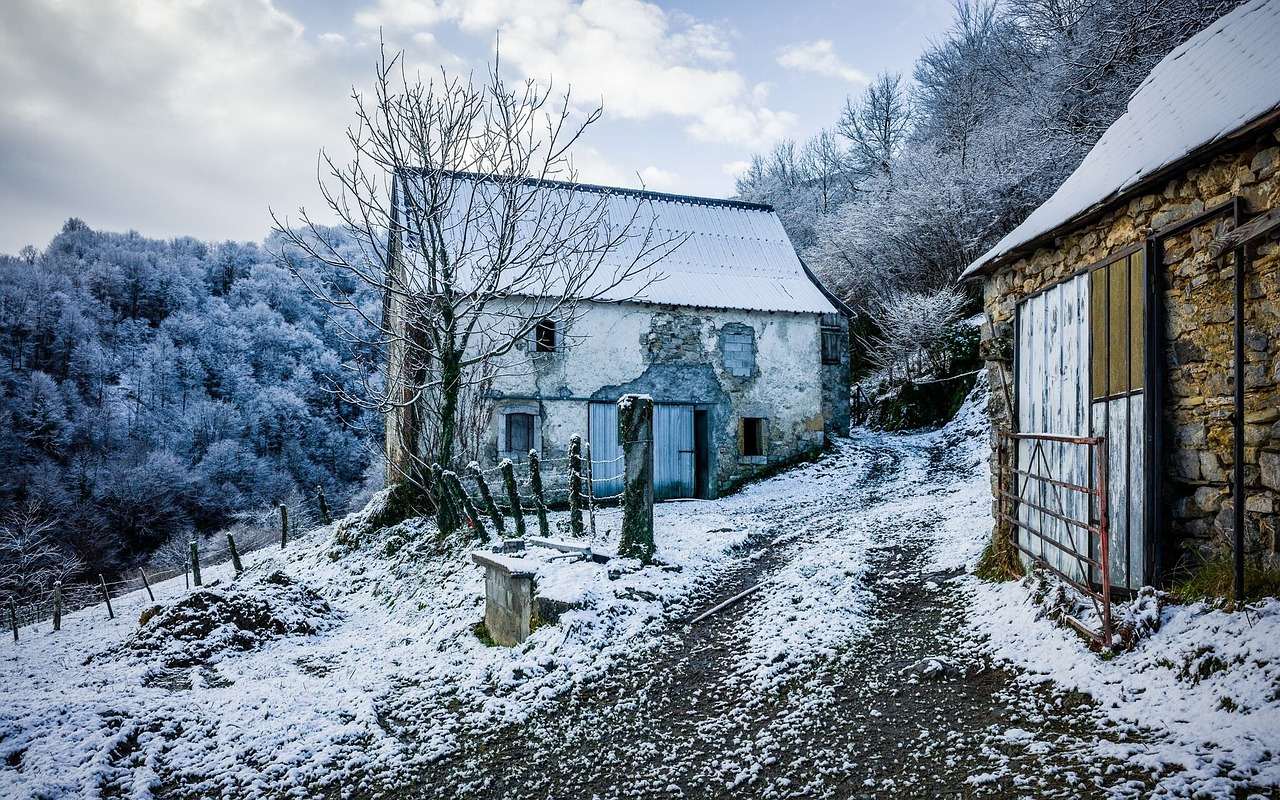
Sweet Béarn: pastis, Russian cake and Coucougnettes
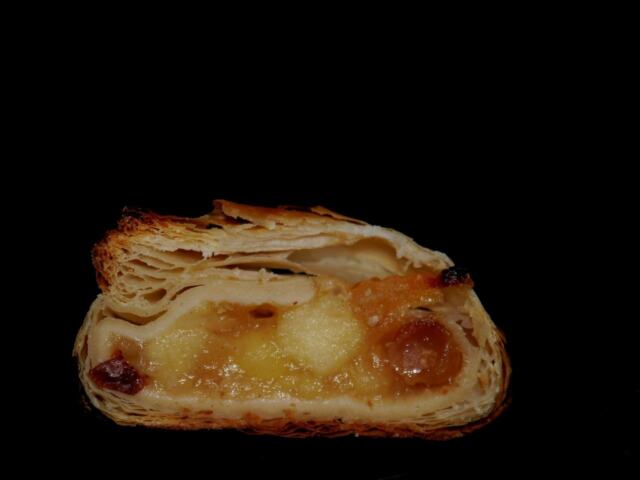
Pastis béarnais has nothing to do with the aniseed aperitif. Tourisme64 describes it as a tall, golden and very soft cake, traditionally served for breakfast, as a snack or at family meals. At Amélie’s in Mazerolles it is prepared by hand with natural vanilla and anise and takes more than 48 hours to make, as the Tourisme64 guide reports.
The slow timetable is the point of the cake, and it is why a good one is worth seeking out at a family bakery. The pastis béarnais guide covers the cake in more depth.
In Oloron-Sainte-Marie, the Russian of Artigarrède hides a light almond biscuit and a melting praline cream under a thin layer of icing sugar. Tourisme64 says it was created in 1923 by Adrien Artigarrède and that the recipe remains a family secret, in its specialties guide. The original is sold at the historic shop opposite the Sainte-Marie cathedral.
Pau has its own naughty tribute to the king. The Coucougnette is a toasted almond wrapped in dark chocolate, then hand-rolled in marzipan flavoured with raspberry, ginger and Armagnac. Tourisme64 says it honours Henri IV, nicknamed the Vert Galant, and that it received the prize for the Best Bonbon in France in 2000, and it lists Maison Francis Miot in Pau as the address, in the Tourisme64 guide.
The same shop also makes the Tétons de la Reine Margot, another speciality, according to Tourisme64. The Guide Béarn Pyrénées lists Maison Francis Miot in Uzos among its producers of biscuits, jam, honey and confectionery, on its Béarn products page.
Cakes cooked on a spit are another local tradition. The Guide Béarn Pyrénées mentions spit-roasted cakes in the Pays de Nay, at the gateway to Bigorre. It gives few details on its food lovers page, so ask a local baker how they are made.
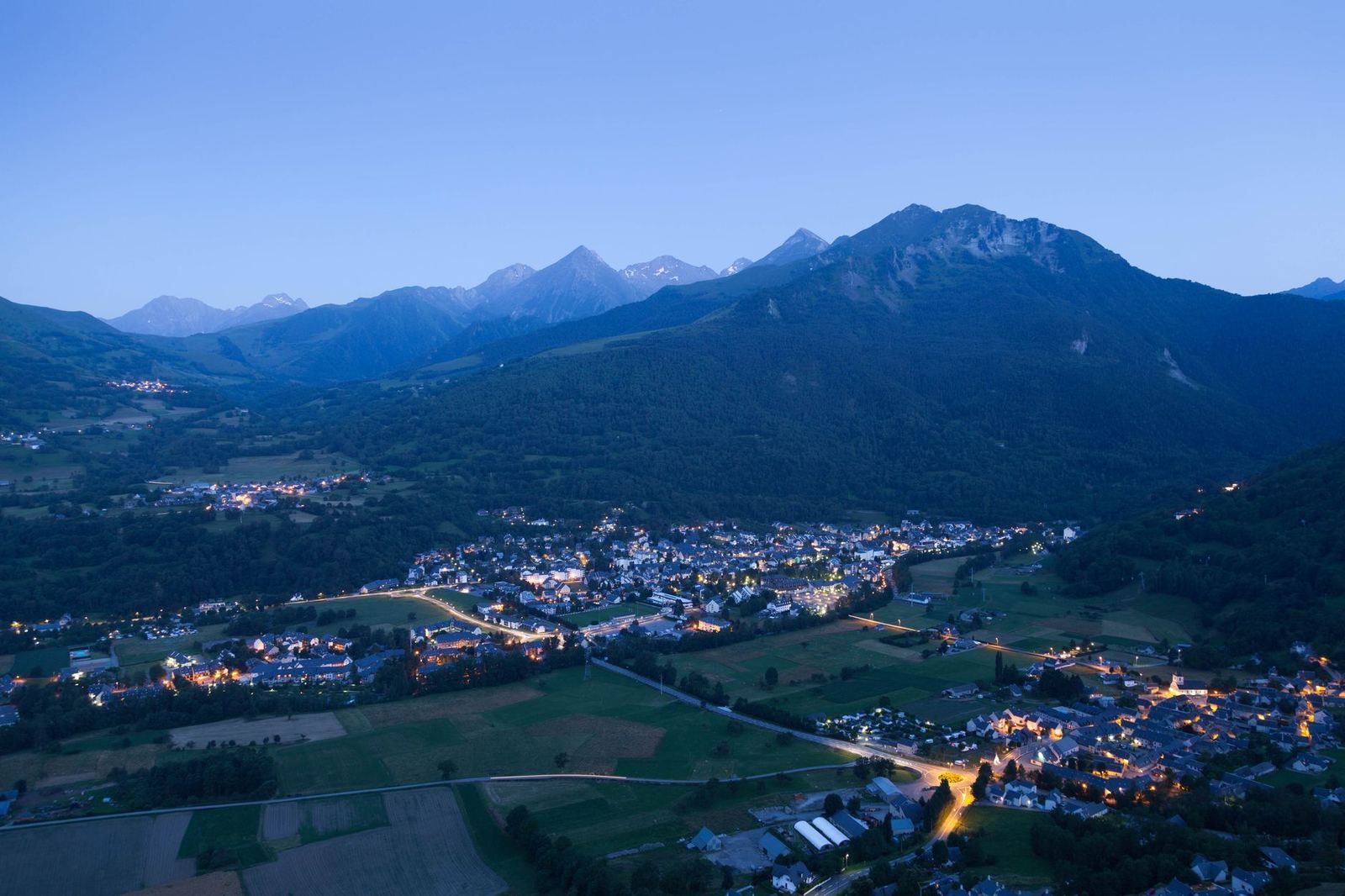
Eating your way through Pau and the villages
Pau is the natural starting point because it brings the king’s story, the confectioners and the markets together. The things to eat in Pau guide gives a fuller list. Around the city, a day trip can take you to Jurançon vineyards, Monein pepper fields or the salt town of Salies-de-Béarn.
A tasting order that follows the way a meal unfolds works well:
- Begin with a soup such as garbure, or a plate of cured pork and country bread.
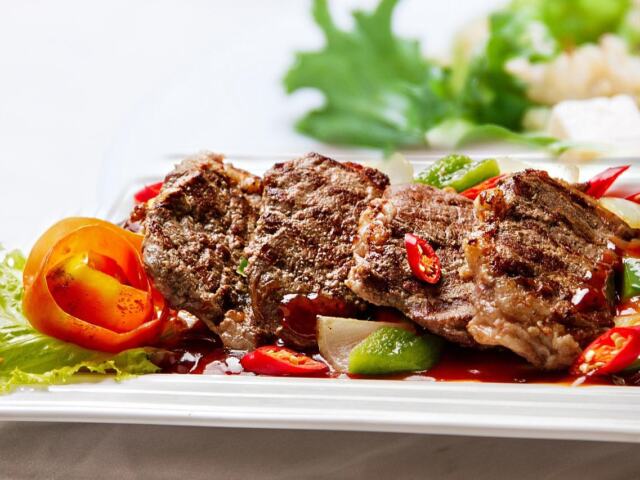
- Move to a main course of duck, lamb or poule au pot, with local salt on the table.
- Finish with sheep’s cheese and a touch of black cherry jam.
- Close with pastis, a Russian or a Coucougnette, and a glass of Jurançon.
For inns, Routard’s report of March 2017 names the Auberge Claverie in Audaux and the Auberge du Relais in Bérenx among the good addresses of the Béarn des Gaves. Because the report is dated, confirm opening details locally before you plan a visit. It is one Routard report among many sources, and this site takes no bookings.
Souvenirs follow the same logic as the rest of the trip. Tourisme64 advises you to favour artisan shops, markets and direct sales from producers, to limit packaging and support local know-how, in its specialties guide. The Guide Béarn Pyrénées also suggests canned goods and preserves, which let you open a little piece of Béarn all year round.
Bread ties this table to the rest of this site. Thin slices of andouille are served with country bread, and garbure begs for something sturdy to soak up the broth, so a good artisan bread belongs on every Béarn table. If you bake at home, the wider tradition of French baking is a natural next read.
This site is an independent editorial and educational guide to artisan bread and the food that goes with it. It is not connected to any producer, shop, inn or tourist office named above, and it does not sell, book or advise on trips.
Frequently asked questions
What is Béarn best known for eating?
Show answer
The dishes named most often are garbure, poule au pot, duck and Ossau-Iraty sheep’s cheese. Sweet specialities include pastis béarnais, the Russian of Oloron-Sainte-Marie and the Coucougnette of Pau, according to the Tourisme64 guide.
Does sauce béarnaise come from Béarn?
Show answer
Only by name. Routard reports that it was invented in the Paris region in 1837 by Jean-Louis-François Collinet, chef at the Pavillon Henri IV, as written in the Routard report. It is made from melted butter, egg yolk, tarragon and shallot.
Is pastis béarnais a drink?
Show answer
No. Pastis béarnais is a tall, golden and very soft cake, nothing to do with the aniseed aperitif, according to the Tourisme64 guide. It is traditionally served for breakfast, as a snack or at family meals.
Which wines go with Béarn food?
Show answer
Jurançon, dry or sweet, and robust red Madiran are the two names that come up most often, as the Guide Béarn Pyrénées notes. Routard also mentions red, white and rosé wines labelled AOC Béarn.
Is Béarn the same as the Basque Country?
Show answer
No, but they are neighbours. Routard says Béarn forms a department with the Basque Country, and Tourisme64 says they share a gastronomy built around livestock farming, fishing, local cultures and family recipes, in its specialties guide.