You may be asking what is autolyse, and whether your loaf needs it. It is a simple rest: you mix flour and water, wait before adding salt and starter, and the dough gets smoother and easier to stretch.
This guide sits within the wider topic of artisan bread, where small timing choices shape the crumb.
| Item | Value |
|---|---|
| Rest in the classic definition | 20 to 60 minutes |
| Year the technique was developed | 1974 |
| Conservative starting rest for a new recipe | 15-30 minutes |
| Rest for many mostly-white loaves | 1 hour |
| Rest for doughs with a lot of aged whole wheat | 2 hours or more |
These figures come from King Arthur Baking and The Perfect Loaf. Baking advice and recipes can change, so check the sources before you rely on them.
What autolyse does to your dough
An autolyse is the gentle mixing of flour and water, followed by a rest of 20 to 60 minutes, according to King Arthur Baking. After the rest, the remaining ingredients go in and kneading begins.
The pause does real work, even though you are not touching the dough. Here is what bakers and technical sources say happens:
- The flour keeps hydrating, as water works its way into damaged starch, intact starch granules and proteins, per the American Society of Baking.
- Gluten bonds begin forming, and the dough turns smoother and stronger overall, as The Perfect Loaf explains.
- The dough becomes easier to stretch without tearing.
- Mixing goes faster afterwards, because the dough can reach a smooth state more quickly once mixing restarts.
That stretch quality is called extensibility. The Perfect Loaf defines it as the capacity of the dough to stretch without breaking, balanced by elasticity, the dough’s ability to stretch and then return to its original shape.
Bakers still debate the exact mechanism. The Perfect Loaf describes protease enzymes in the flour breaking down protein bonds and slackening the dough, while a contributor on The Fresh Loaf forum argues that the purpose is simply to let the flour absorb the water fully. The same contributor points to the small difference between a cold and a warm rest as a sign that it is a physical process rather than a biological one.
Where the technique comes from
The method is credited to French scientist and bread expert Prof. Raymond Calvel, who developed it in 1974, according to King Arthur Baking. The American Society of Baking likewise says it was discovered in 1974 during his bread experiments.
He was reacting to changes in French bakeries. In the 1950s and ’60s, electric mixers came into use and bakers adopted more aggressive mixing, which Calvel saw as a decline in bread quality (King Arthur Baking).
One baking guide adds that hard mixing heated the dough and sped up fermentation, which stripped flavor and color from the bread, as Make It Dough puts it. Resting the dough was a way to build structure without that extra mixing.
The word itself has a tidy meaning. Per the American Society of Baking, autolyse means “dough breaking itself.”
How to autolyse step by step
The process is short, and Make It Dough lays it out in four steps. Adjust the water and flour amounts to your own recipe.
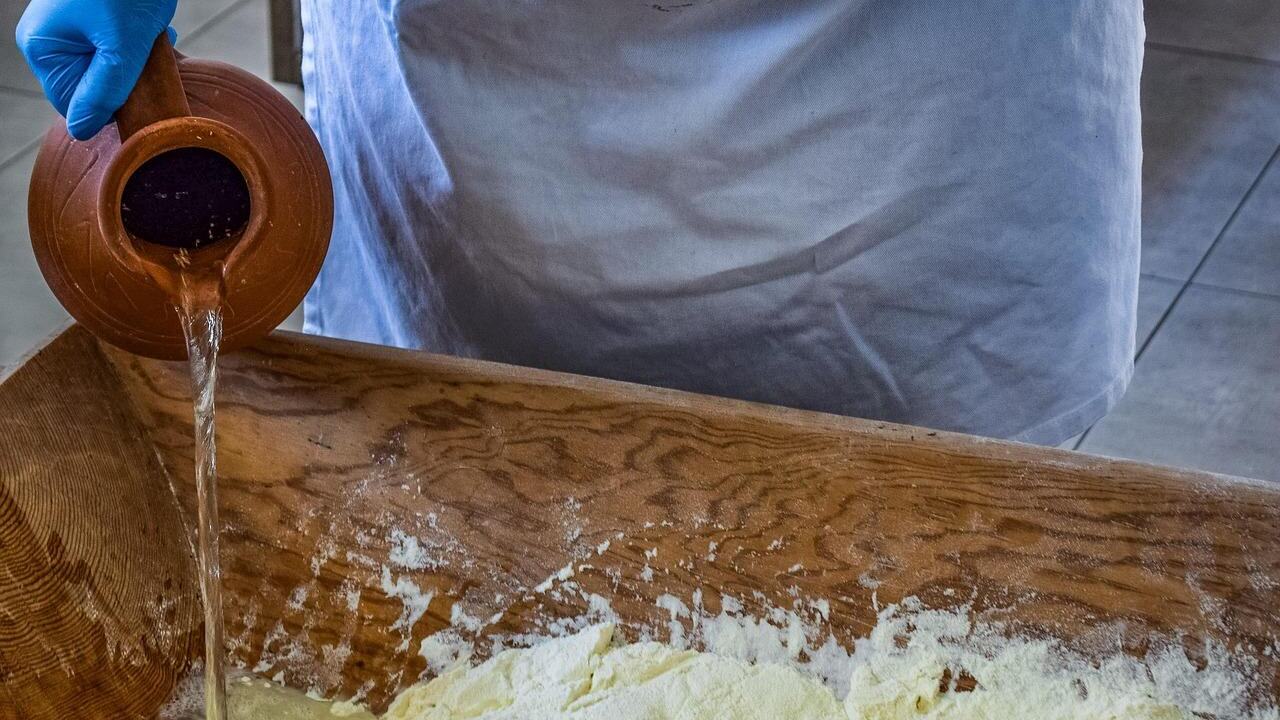
- Pour the water into a large bowl and add the flour gradually while you stir, so all of the flour is hydrated.
- Lightly knead the mixture by hand until no dry spots of flour remain.
- Cover the bowl and let the dough rest untouched for 15 minutes to 1 hour.
- Fold in the starter and salt, then continue with the recipe as usual.
The Perfect Loaf describes the same order: after the rest, add the preferment (levain), salt and any additional water, and continue mixing and strengthening (The Perfect Loaf). The key idea is that the flour and water go first, and everything else waits.
Salt is held back for a reason. Leaving it out lets the flour hydrate properly without the salt or other add-ins leaching water away, says Make It Dough.
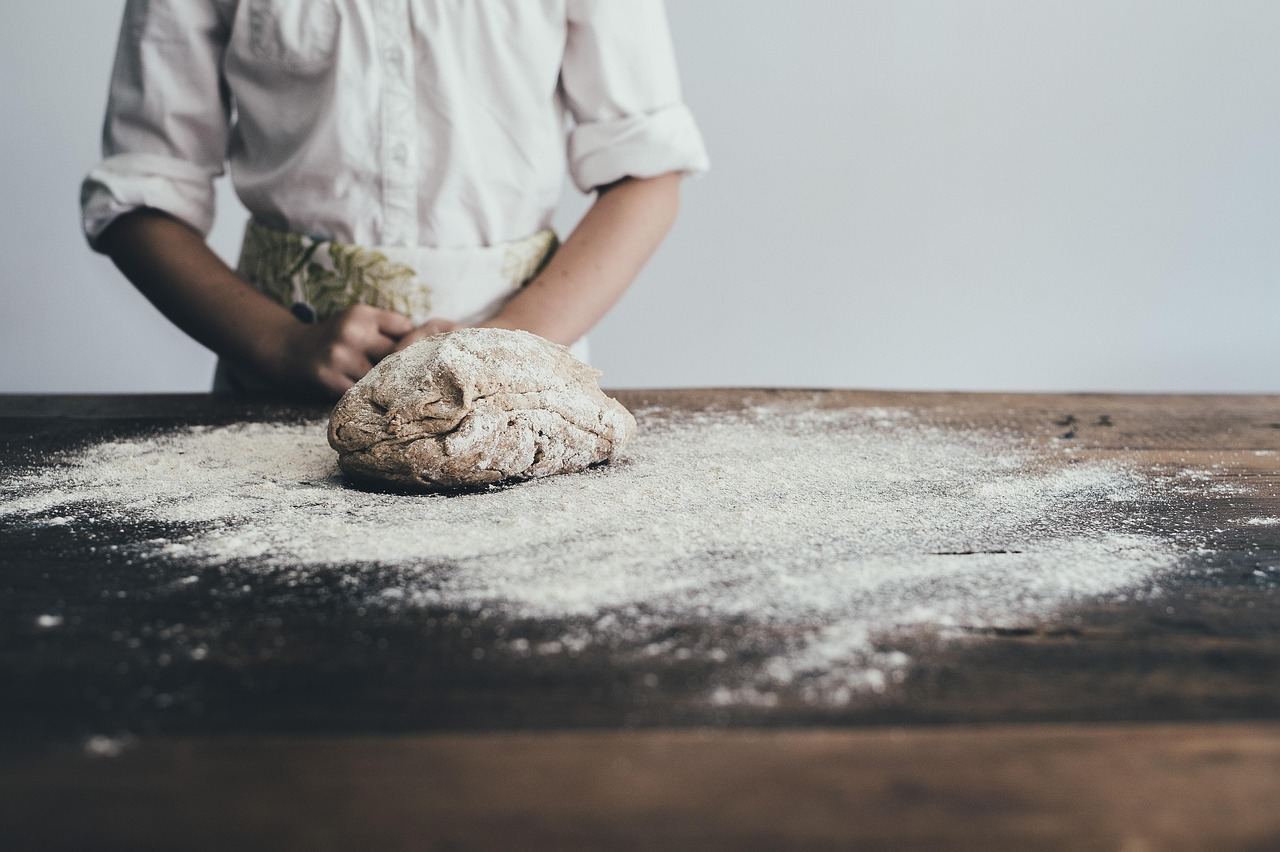
Once the rest is over, the dough should feel noticeably different under your hands. Expect it to look smoother and hold together better than the shaggy mass you left.
How long should an autolyse last?
There is no single right answer. The Perfect Loaf says there are no set periods one must adhere to, and the best length depends on the flour and recipe.
These are the ranges the sources give:
- 20 to 60 minutes: the classic definition from King Arthur Baking.
- 15-30 minutes: a conservative place to start when you are developing a recipe, per The Perfect Loaf.
- 1 hour: a length that baker likes for mostly-white loaves.
- 2 hours or more: an option for doughs with high percentages of aged whole wheat flour, depending on the dough’s consistency.
- 10 minutes to overnight: the full range Make It Dough says is possible.
Longer is not always better. The Perfect Loaf warns that once you go too far, it is hard to reverse the slackening of the dough (The Perfect Loaf).
A practical approach is to change one thing at a time. If a dough feels very stiff and elastic, the same source suggests lengthening the rest while keeping everything else the same, then testing again.
When to shorten or skip the rest
Autolyse is a tool, not a rule. The Perfect Loaf writes that it is not necessary for every single bread (The Perfect Loaf), and Make It Dough calls it totally optional.
That guide lists a few cases where it can backfire:
- Very extensible grains such as spelt: they do not need the extra boost, and more extensibility can leave bread that struggles to hold its shape.
- Enriched, low-hydration doughs: an autolyse could make the dough too stiff and too difficult to combine with the remaining ingredients.
- Freshly milled flour: a long rest could produce a stickier, weaker dough that keeps degrading as it ferments.
If time is tight, skipping the step is a fair choice. A loaf made without it can still turn out well, so treat the rest as a bonus rather than a requirement.
Autolyse, fermentolyse and your sourdough timeline
Some recipes use a fermentolyse, which is an autolyse that includes the sourdough starter but no salt or other ingredients, according to Make It Dough. Once starter is in, fermentation has started.
That matters for your schedule. Include that early time when you work out your bulk fermentation time, as the same guide advises.
A classic autolyse is different. The American Society of Baking says it should not be confused with bulk fermentation, because the two serve different purposes despite some similarities in enzymatic activity.
If you are still building your first starter-based loaf, the sourdough bread recipe for beginners is a natural place to add an autolyse once the basic method feels comfortable.
Frequently asked questions
Do I have to autolyse my dough?
Show answer
No. Make It Dough calls the step totally optional, and you can skip it when you are short on time.
Does the starter go in during the rest?
Show answer
Usually not. In most sourdough recipes the rest is done without starter, salt or other ingredients (Make It Dough). Adding starter turns it into a fermentolyse.
Can I autolyse overnight?
Show answer
Some bakers do, with caution. Make It Dough says a rest can run as long as overnight, but The Perfect Loaf notes that an over-long rest is hard to reverse.
What does autolyse mean?
Show answer
The word means “dough breaking itself,” as the American Society of Baking explains. In bread, it names the rest after flour and water are combined.
Is autolyse the same as bulk fermentation?
Show answer
No. The American Society of Baking says the two serve different purposes, and fermentation is not the goal of an autolyse.