You want a garbure recipe that tastes like the Pyrenees, not a guess. Simmer smoked pork, white beans and cabbage until tender, then finish with crisp duck confit.
Garbure sits at the heart of Béarn cuisine, so this guide gives you the method, the swaps and the serving customs.
| Item | Value |
|---|---|
| Servings | 8 |
| Total time | Up to 4 hours, mostly hands-off |
| Water for the first broth | 4 quarts |
| First simmer (ham hock and aromatics) | 1.5 hours |
| Second simmer (vegetables, beans, cabbage) | 2 hours |
| Final simmer (meat and potatoes) | 30 minutes |
Amounts and timings come from a published Garbure Béarnaise recipe. Cooks adapt garbure from house to house, so check the source before you rely on the figures.
Where does garbure come from?
Garbure is a thick southwest French soup of cabbage, beans and salted pork. One food historian says it originated in Gascony, yet the same writer notes that Le Grand Larousse Gastronomique calls it a Béarnaise dish.
The name has several theories. A food writer explains that, in Occitan, garb was a generic term for vegetables, while the linguist Simin Palay believed the word came from gerbe, a sheaf or bunch. The Robert dictionary records the first use of the word in 1750.
This was peasant food. A French recipe blog describes it as simmering for hours in a toupin, an earthenware pot, and says versions with meat only appeared in the 20th century.
Because it followed the pantry, the pot changed with the season. A food historian writes that a peasant garbure might feature white beans or fava beans, or whatever the cook stored in the larder. The same writer adds that a Gascon garbure was not complete without a hint of confit, meat preserved by covering it with the melted fat in which it was cooked.
Do not confuse the stew with the famous sauce. Sauce Béarnaise was created in 19th-century Paris by the chef Jean-Louis-François Collinet, according to the same recipe author, whereas the stew stays true to Béarn’s traditions with its rustic, earthy flavors.
Ingredients for a Béarnais garbure
This garbure recipe follows the Béarn style: smoked pork, plenty of vegetables, white beans and duck confit. The quantities below come from the recipe in the summary table.
- 1 smoked ham hock (about 1 lb), 9 whole black peppercorns and 1 dried red chili (or ½ teaspoon red pepper flakes)
- 1 onion studded with 4 cloves, 2 ribs of celery, a bay leaf and a sprig of thyme
- 1 small green cabbage, sliced into strips
- 4 carrots, 4 turnips and 2 leeks (white and light green parts)
- 6 medium Yukon Gold potatoes, peeled and cut into chunks
- 1½ cups dried Great Northern beans
- 4 duck confit legs
None of the ingredients is unusual, but the herbaceous notes, a hint of spice and the turnips hint at the dish’s regional roots. The same recipe allows a smoked turkey leg in place of the ham hock, cooked chicken thighs instead of duck confit, and canned beans for faster prep. For a more local pot, a French recipe soaks Tarbais beans in cold water for about 12 hours before cooking.
How to cook garbure step by step
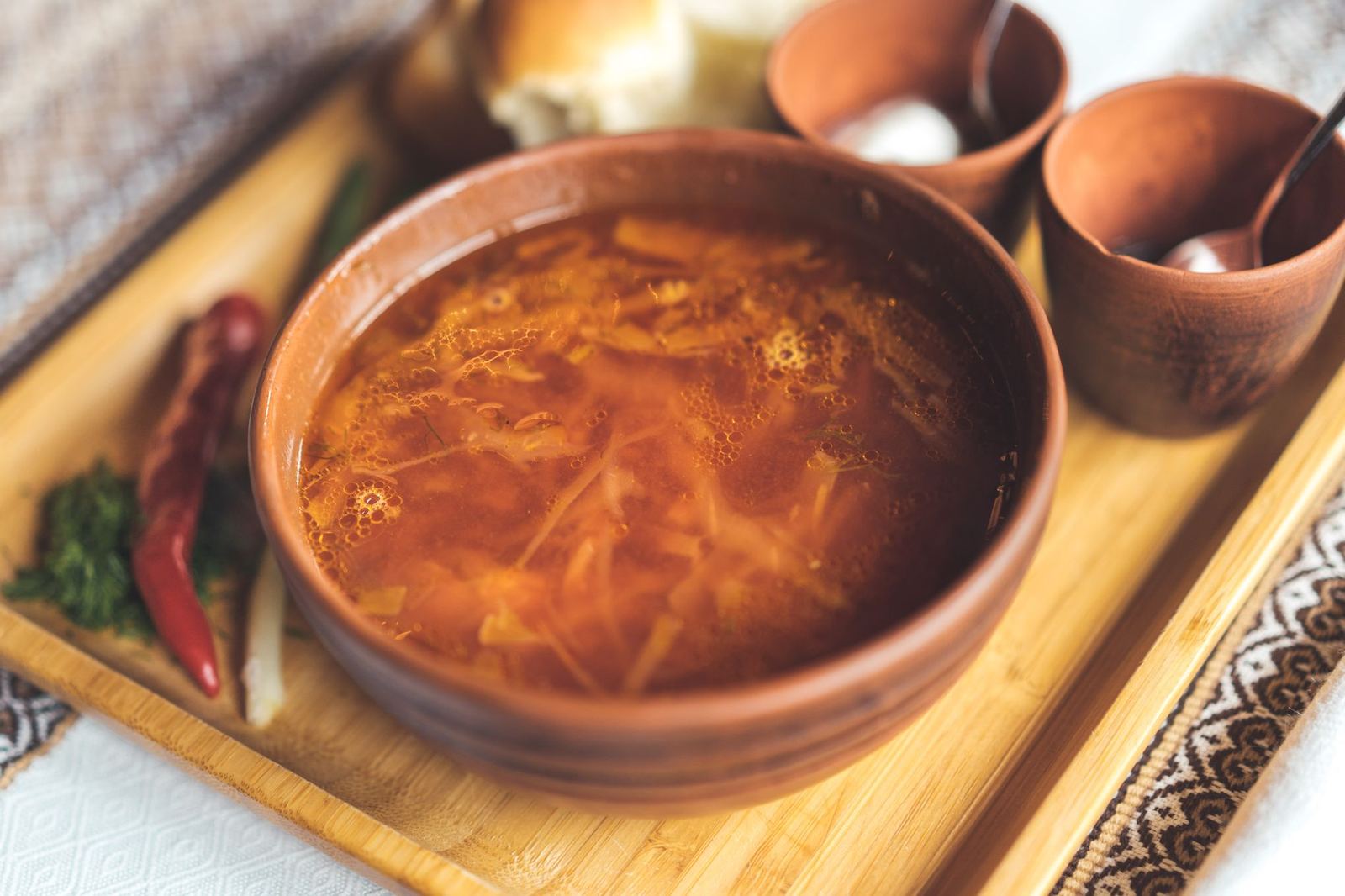
Plan for a slow, mostly hands-off day: the source says the stew can take up to 4 hours. Start by soaking and cooking the dried beans ahead of time.
- Put the ham hock, peppercorns, chili, clove-studded onion, celery, bay leaf and thyme in a large pot. Add 4 quarts of water, bring to a boil, then simmer on low for 1.5 hours.
- Chop the carrots, turnips, leeks and cabbage, and peel the potatoes.
- Crisp the duck confit legs in a skillet, set them aside, and reserve 3-4 tablespoons of the rendered fat. Sauté the carrots, leeks and turnips in that fat until slightly softened.
- Lift out the ham hock to cool. Add the sautéed vegetables, the beans and the cabbage to the broth, and simmer for 2 hours, stirring now and then.
- Shred the ham hock meat, discard the bone and fat, and return the meat to the pot with the potatoes. Simmer for 30 minutes.
- Add the duck confit for the last 15 minutes to heat through, season with salt and pepper, then let the pot rest for 10 minutes off the heat.
The recipe notes that many cooks strain the broth after the first simmer, though it is not strictly needed. Basic, almost rushed chopping works fine here, because the long cooking does the rest.
Swaps and regional variations
A Béarn-style garbure, as one food guide describes it, includes the shank of a jambon de Bayonne, so a piece of Bayonne ham is the most local choice for the smoked pork. The same guide lists Savoy cabbage, potatoes, carrots, white beans, turnips, plenty of herbs and a dash of piment d’Espelette.
Other corners of the southwest cook it differently:
- Gascony: goose or duck confit, sausage and salt pork are often added.
- The Landes: it is often made with chou cavalier.
- The Gers: the version features big white Tarbais beans.
The same guide notes that cabbage in some form features in nearly all versions, like its cousin the potée.
You can also go back to the roots. A French vegetarian version replaces the meat with a little smoked tofu and the goose fat with a thread of olive oil, and uses very little carrot because carrots were hardly grown in old Béarn.
Cost is part of the story. The same food writer says some chefs have lifted the dish into restaurant fare, with servings costing €50 or more, yet the writer stresses it is meant to be a cheap dish.
How to serve and keep garbure
Traditionally the broth is poured over a slice of stale bread and can come first, before a second service of the meats and vegetables, according to a French recipe blog. The same page describes the chabrot: you rinse the last of the broth with red wine and drink it straight from the bowl.
A good garbure is thick. One food historian reports that the test of a true garbure was a spoon standing upright in the dish, and calls it a cousin of cassoulet.
The town of Oloron-Sainte-Marie holds an annual international contest called the Garburade to pick the best garbure. A Pau food guide lists garbure and poule au pot side by side among the town’s specialities, and the royal story behind poule au pot Henri IV makes it the natural next pot to cook.
For leftovers, a French recipe says the soup keeps two or three days in the fridge.
Frequently asked questions
Is garbure the same as potée?
Show answer
No, but they are close. A food guide calls the potée its cousin, and says cabbage in some form features in nearly all versions of garbure.
Can I use canned beans?
Show answer
Yes. The source recipe lists canned beans as an option for faster prep, though a French blog notes that very soft canned beans can dissolve a little during cooking.
Can I make garbure without meat?
Show answer
Yes. A vegetarian French version keeps the white beans, cabbage, potatoes and turnips, and swaps in smoked tofu and olive oil.
What can I use instead of duck confit?
Show answer
The recipe says cooked chicken thighs can work too, and chicken also makes the pot more affordable.
How long does garbure keep?
Show answer
A French recipe gives two or three days in the fridge.