Worried your sauce will split? This sauce béarnaise recipe uses a shallot-vinegar reduction, egg yolks and clarified butter, whisked gently over a bain-marie until it thickens.
This sauce sits within the wider tradition of Béarn cuisine, even though its name is more of a tribute than a birthplace.
| Item | Value |
|---|---|
| Main ingredients | Clarified butter, egg yolk, white wine vinegar, herbs |
| Name derives from | The province of Béarn, France |
| Year often given for its debut | 1836 |
| Bain-marie target temperature | 66 °C (150 °F) |
| Sample recipe base | 2 egg yolks and 150 g clarified butter |
These figures come from Wikipedia’s béarnaise entry and a regional tourism page. Dates and quantities vary between sources and cooks, so check the sources before you rely on them.
Where does béarnaise come from?
The usual story credits the chef Jean-Louis-François Collinet. According to Wikipedia, a common explanation says he invented the sauce accidentally and that it was served at the 1836 opening of Le Pavillon Henri IV, a restaurant at Saint-Germain-en-Laye.
Accounts differ on the details. A regional tourism page places the chef at the Pavillon Henri IV in 1837 and says the sauce was created by mistake, as a way to make up for a failed sauce.
The Oxford Companion to Food entry, reproduced on ckbk, says Larousse Gastronomique suggests the sauce was first prepared in the 1830s by Collinet. The same entry notes a similar sauce in a French recipe book of 1818, so the tidy invention story may be a simplified version of a messier history.
The tourism page adds that the writer Alexandre Dumas, a friend of Collinet, is sometimes named as a co-inventor. Tasting Table also reports that even the chef’s name is debated, with other sources giving Jean-Louis Collinet or Jules Colette.
The name and the Béarn connection
Despite the name, this is not a farmhouse recipe from the Pyrenees. The regional page says that, contrary to what its name suggests, the sauce does not originate from Béarn but from the Paris region.
The name is a tribute. Wikipedia’s Collinet entry says he named the sauce in honor of Béarn, the region of France from which his restaurant’s namesake Henry IV originated.
That king mattered to cooks and historians alike. Tasting Table describes Henry IV (1553-1610) as the first Bourbon king of France, and calls him a renowned gourmand.
Ingredients for a sauce béarnaise recipe
The sauce is made of clarified butter, egg yolk, white wine vinegar and herbs, and Wikipedia regards it as a “child” of hollandaise. The difference is in the flavoring: béarnaise uses shallot, black pepper and tarragon, while hollandaise uses white pepper or a pinch of cayenne.
The Collinet entry describes the original change the same way. He took the traditional hollandaise, replaced the lemon juice with white wine vinegar, and added shallots, chervil and tarragon.
The quantities below come from one regional recipe. Other cooks scale the sauce differently, so use them as a starting point.
- 2 egg yolks
- 150 g clarified butter
- 4 cl wine vinegar
- 3 cl white wine
- 1 shallot
- 1/4 bunch of tarragon
- 1/4 bunch of chervil
- 1/2 tsp mignonette pepper
- 1 pinch of salt
Tasting Table describes the acid as white wine vinegar or a reduction of dry white wine and vinegar. It adds that some cooks also add chervil and minced chives, so the herb mix is a matter of taste.
A reliable method, step by step
The most common method uses a bain-marie, whisking to a temperature of 66 °C (150 °F), according to Wikipedia. A reduction of vinegar is used to acidify the yolks.
- Melt the butter in a saucepan over low heat. Skim off what you can, then filter the rest of the fat through a strainer to leave clear, clarified butter.
- Peel and finely chop the shallot, and chop the tarragon and chervil finely.
- Put the white wine, vinegar, salt, pepper, shallot and half of the herbs in a saucepan. Reduce at a simmer while keeping some liquid in the pan.
- Whisk the egg yolks with the reduction over a bain-marie until the mixture reaches 66 °C (150 °F).
- Whisk in the warm clarified butter gradually, so the sauce forms a smooth emulsion.
- Stir in the remaining herbs and taste for salt and pepper.
The reduction steps follow the regional recipe, and the temperature follows Wikipedia. The order of the final steps is a sensible reading of both rather than a rule from one source.
If you prefer a smoother base, Wikipedia notes that Auguste Escoffier and other sources call for a reduction of wine, vinegar, shallots, fresh chervil, fresh tarragon and crushed peppercorns, later strained out.
Shortcuts and variations
There is more than one route to the same sauce. Wikipedia lists two alternatives to the classic bain-marie.
- Add the flavorings to a finished hollandaise, without the lemon juice.
- Use a blender: Joy of Cooking describes a blender preparation with the same ingredients.
Tasting Table says you can make it in five minutes in a blender, although more traditionally-minded cooks might wince. The blender route trades ritual for speed.
The sauce also has a family of relatives, as Wikipedia lists them.
- Sauce Choron (also called béarnaise tomatée) uses tomato purée instead of herbs.
- Sauce Foyot (also called Valois) is béarnaise with meat glaze added.
- Sauce Colbert is Sauce Foyot with the addition of reduced white wine.
- Sauce Paloise uses mint instead of tarragon.
What to serve with béarnaise
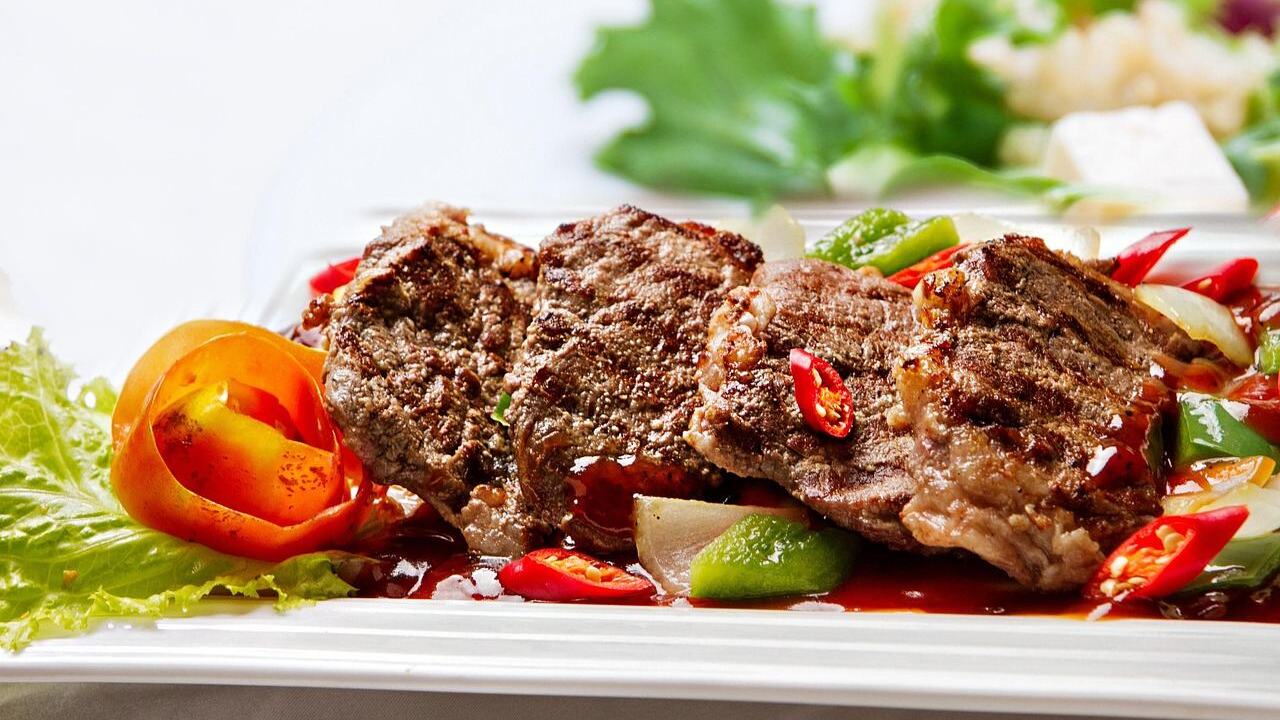
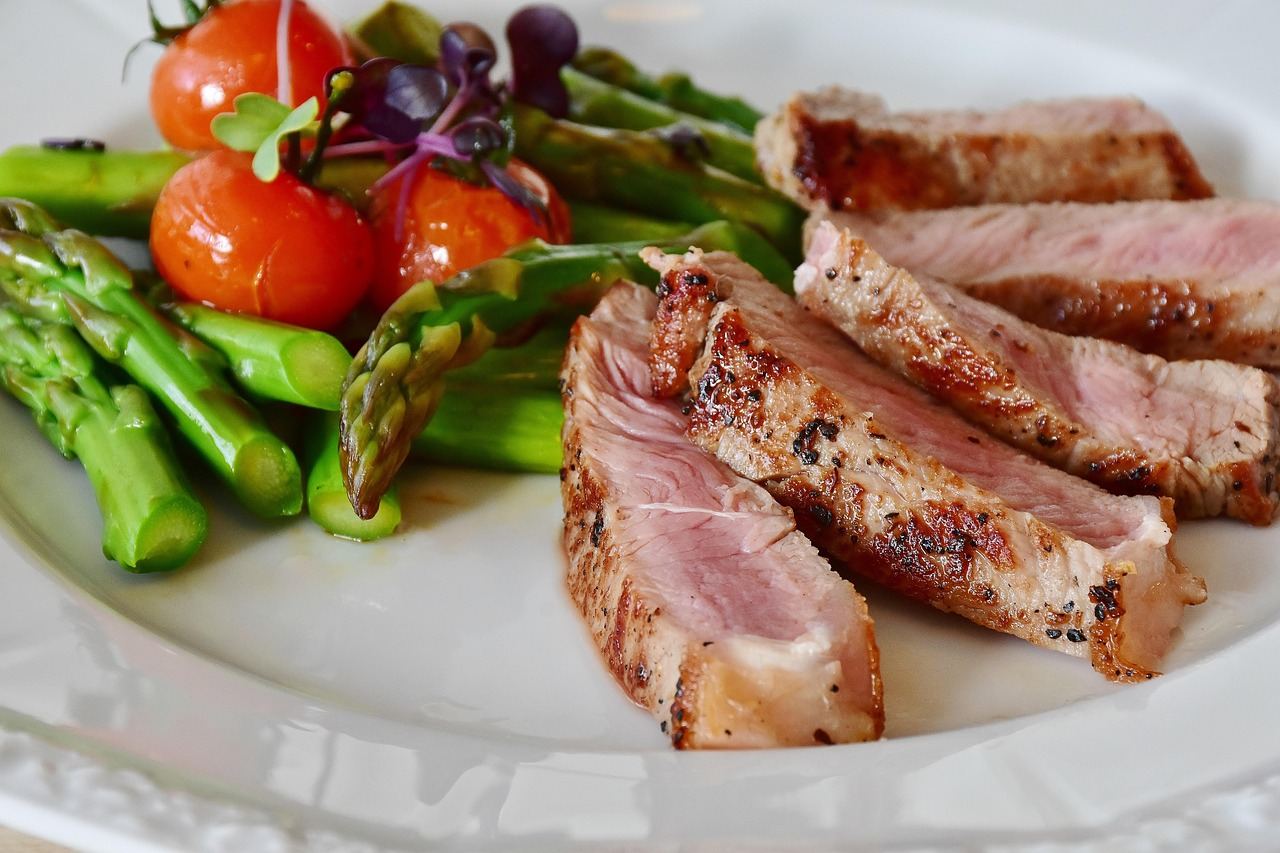
Wikipedia calls it a traditional sauce for steak. The Oxford Companion to Food entry on ckbk calls it a robust sauce, often served with grilled steak or grilled fish of a substantial sort, like salmon.
Because the sauce nods to a king from the south-west, you may enjoy reading about the poule au pot Henri IV next. When you choose a bottle for the table, the page on Jurançon wine food pairing is a good place to start.
Frequently asked questions
Is béarnaise really from Béarn?
Show answer
Not according to the regional tourism page, which says the sauce does not originate from Béarn but from the Paris region. The name honors the home region of Henry IV.
What is the difference between béarnaise and hollandaise?
Show answer
The difference lies in the flavoring, says Wikipedia. Béarnaise uses shallot, black pepper and tarragon, while hollandaise uses white pepper or a pinch of cayenne.
What temperature should the sauce reach?
Show answer
The most common bain-marie method whisks to 66 °C (150 °F), according to Wikipedia. Check the temperature rather than guessing.
Can I make béarnaise in a blender?
Show answer
Yes. Tasting Table says it can be made in five minutes in a blender, though traditional cooks may prefer the double boiler.