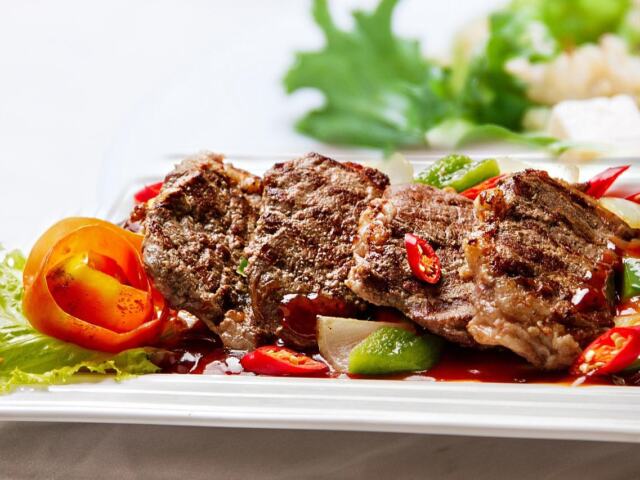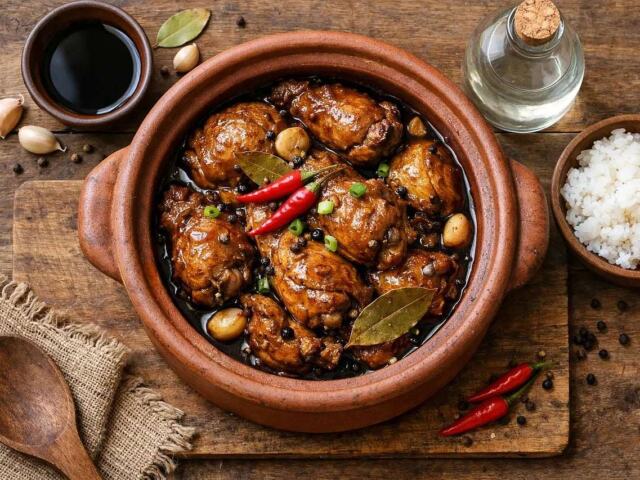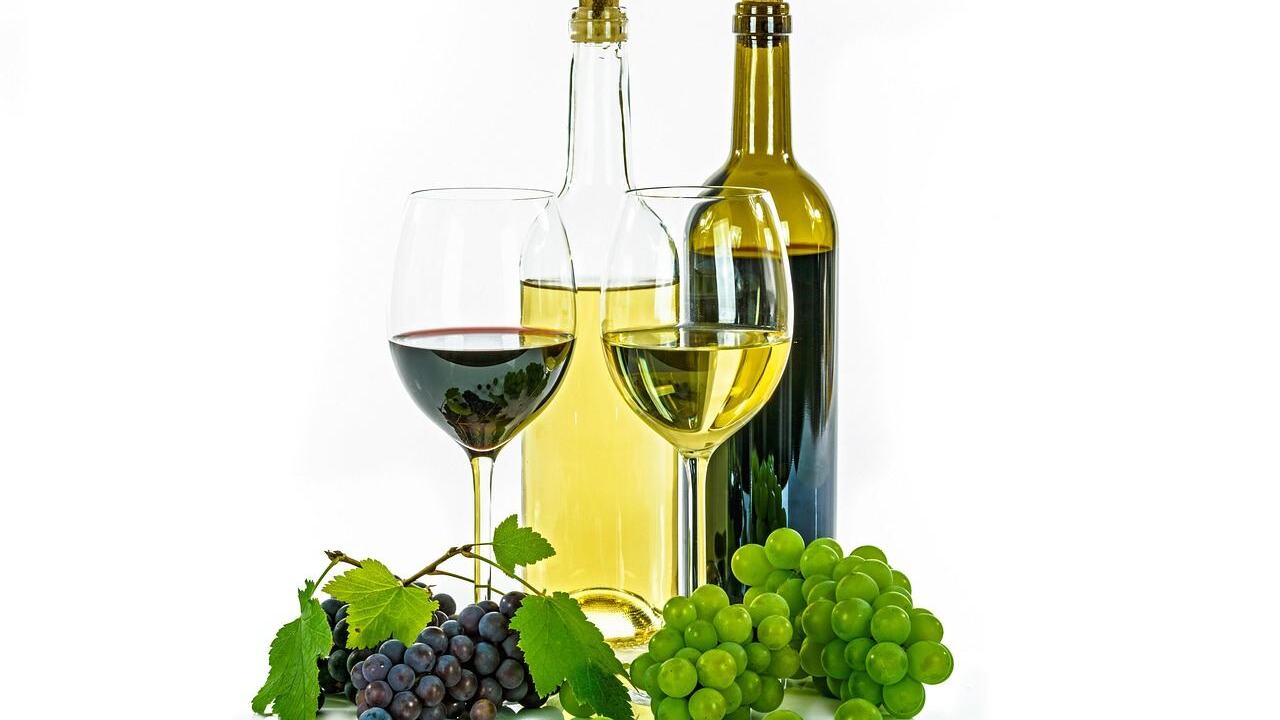
Not sure what to cook for that bottle? For Jurançon wine food pairing, match sweet bottles with foie gras, blue cheese and caramel desserts, and dry ones with river fish, seafood and goat’s cheese.
Jurançon comes from the heart of Béarn cuisine country, so the pairings below stay close to the region’s own table.
| Item | Value |
|---|---|
| Vineyard area of the appellation | About 1,000 hectares |
| Communes authorised to produce Jurançon | 25 |
| Grape varieties reserved for Jurançon | Five |
| Serving temperature, sweet Jurançon | 10-12° |
| Serving temperature, dry Jurançon | 8-10° |
| Keeping time, sweet Jurançon | 5 to 10 years, 15-25 years for the best |
These figures come from the Les Passionnés du Vin Jurançon page. Figures can change, so check the source before you rely on them.
What gives Jurançon its character
The Jurançon appellation sits in Béarn, in the Pyrénées-Atlantiques, with vines on hillsides facing the Pyrenees. According to the Les Passionnés du Vin appellation page, it covers about 1,000 hectares, and 25 communes may produce it.
Two grapes define the style. Gros manseng and petit manseng make up at least 50% of the vineyard, according to the same appellation page. Gros manseng is traditionally preferred for dry wine, while petit manseng, which produces more sugar, goes into sweet wine.
Courbu blanc, camaralet de Lasseube and lauzet complete the list of five reserved varieties. Only wines made solely from Manseng can carry the “vendange tardive” (late harvest) label, per the same page.
What you smell and taste decides what you serve. The source describes the styles like this:
- Sweet Jurançon: honeyed aromas with exotic fruits such as pineapple, passion fruit or citrus fruits.
- Dry Jurançon: a limpid colour with green reflections, exotic fruits, pears and apples, citrus, spices, flowers and wax.
- Vendange tardive: typical honey aromas, with candied and cooked fruits and spices.
The wine also has a royal story. It is said that a drop was applied to the lips of the future King Henry IV at his birth in 1553, as the appellation page recounts.
Sweet Jurançon: from aperitif to dessert
Serve a sweet Jurançon at 10-12°, which is the usual temperature given by the Les Passionnés du Vin page. The same page calls it excellent as an aperitif, with foie gras for example or smoked salmon.
Beyond the aperitif, the source lists these partners for the sweet style:
- Foie gras or smoked salmon as a starter.
- White meats in sauce.
- Sweet and sour dishes.
- Crème brûlée and crème caramel.
- Desserts with exotic fruits or small red fruits.
The logic is easy to follow at the table. A dessert with exotic fruit echoes the pineapple and passion fruit notes you can find in the glass, while a sweet and sour dish meets the wine’s sweetness halfway.
Dry Jurançon with fish, seafood and goat’s cheese
A dry white Jurançon should be drunk colder, at 8-10°, according to the Les Passionnés du Vin page. The page says it is renowned for its classy accompaniment to river fish and seafood.
The same source also lists these options:
- River fish and seafood.
- Cold meats, as an aperitif.
- White meats.
- Goat’s cheese.
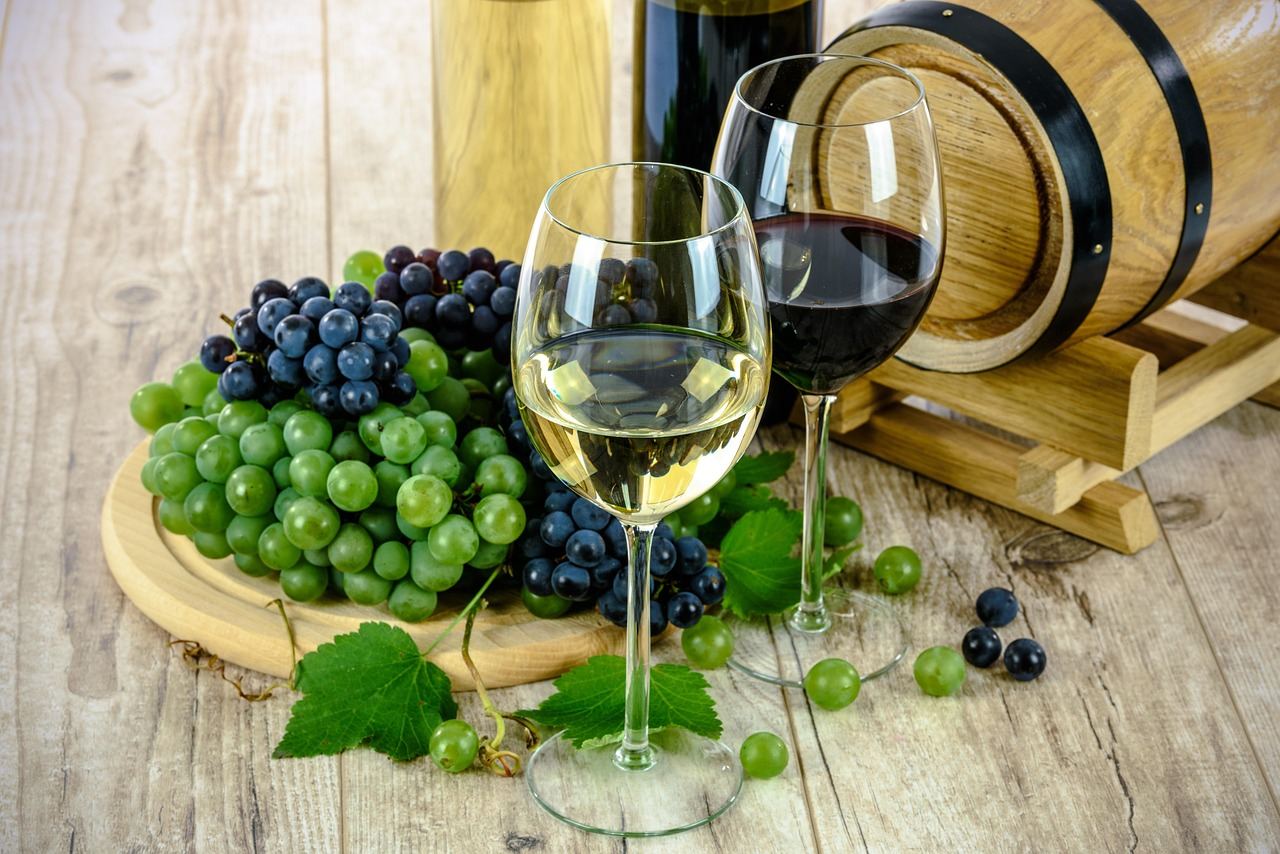
If you are unsure which style a label means, look for the word “sec” (dry) or “moelleux” (sweet). Dry bottles suit the fish and goat’s cheese ideas above, and sweet bottles suit the foie gras and dessert ideas.
Which Jurançon goes with cheese?
Both styles work, but they do different jobs. The Les Passionnés du Vin page says a sweet Jurançon goes perfectly with the sweetness of Ossau-Iraty, and the Ossau-Iraty cheese guide covers that Pyrenean sheep’s milk cheese in its own right.
A Freskoa blog post dated February 24, 2025 adds a second angle. It says dry Jurançon enhances the subtle, floral notes of Ossau-Iraty. It also says a sweet Jurançon contrasts with a well-aged Ossau-Iraty, for a deeply flavorful balance.
For stronger cheeses, the Les Passionnés du Vin page names three blue cheeses that go well with a sweet Jurançon:
- Roquefort.
- Fourme d’Ambert.
- Bleu d’Auvergne.
A simple menu around two bottles
You can build a whole meal from the pairings above with one sweet and one dry bottle. Here is one way to order it:
- Start with the dry bottle and cold meats as an aperitif.
- Serve river fish or seafood with the same dry wine.
- Bring out goat’s cheese, which also suits the dry style.
- Open the sweet bottle for a blue cheese or aged Ossau-Iraty.
- Finish with crème brûlée or an exotic fruit dessert and the rest of the sweet wine.
If you would rather start with the sweet bottle, foie gras or smoked salmon is the aperitif the source suggests for it. Either way, pour one style at a time so each course meets the right wine.
Serving and keeping your bottle
Temperature matters more than most people expect. Chill the dry wine to 8-10° and the sweet wine to 10-12°, following the Les Passionnés du Vin page.
Both styles keep well. The same page says dry Jurançon can be kept for 5 to 10 years, and sweet Jurançon for 5 to 10 years, or even 15-25 years for the best of them.
A Béarn table often raises the question of sauces, and the sauce béarnaise recipe covers that classic on its own. The sources used here do not say which Jurançon suits it, so this guide makes no claim either way.
Frequently asked questions
Should Jurançon be served cold?
Show answer
Yes, but not ice cold. The Les Passionnés du Vin page gives 10-12° for sweet Jurançon and 8-10° for dry Jurançon.
What cheese goes with sweet Jurançon?
Show answer
The Les Passionnés du Vin page names Ossau-Iraty, Roquefort, Fourme d’Ambert and Bleu d’Auvergne. A Freskoa blog post dated February 24, 2025 also pairs it with a well-aged Ossau-Iraty.
Is Jurançon always sweet?
Show answer
No. The appellation page says Jurançon is known for its sweet and syrupy wines, but it also produces some excellent dry white wines.
What does dry Jurançon go with?
Show answer
The source names river fish and seafood first, then cold meats, white meats and goat’s cheese. It also works as an aperitif.
How long can I keep a bottle?
Show answer
Dry and sweet Jurançon can both be kept for 5 to 10 years, according to the Les Passionnés du Vin page. The best sweet wines can last 15-25 years.