Wondering how to score bread without wrecking your loaf? Use a very sharp blade, cut quickly just before baking, and match angle and depth to the result you want: a lifted ear or a wide, even split.
This guide is part of the wider topic of artisan bread, and it covers blades, angles, depth and patterns for hearth loaves.
| Item | Value |
|---|---|
| Blade angle for a shallow cut that forms an ear | About 20-30 degrees |
| Blade angle often given for a classic ear | 45° |
| Blade angle for a cut that opens quickly and evenly | 90 degrees |
| Depth of a shallow, angled ear cut | About ¼ inch |
| Depth of an essential (main) cut | At least ¼ to ½ inch |
These figures come from The Fresh Loaf’s scoring tutorial and Make It Dough’s scoring guide. Bakers’ numbers differ and pages get updated, so check the source before you rely on them.
What scoring does for a loaf
Scoring means making cuts in a loaf before it bakes, and its main job is control. King Arthur Baking’s guide says scoring guides a loaf to rise in a consistent, controlled and optimal way. The decoration is a bonus.
Without a planned opening, dough finds its own weak spot. Nourish and Nestle describes the usual result as a random blowout instead of the clean look you wanted.
A good score does several jobs at once:
- It directs where the loaf expands during oven spring.
- It can create an ear, the raised flap of crust beside the cut.
- It gives you a surface for a decorative design.
Timing is simple: The Fresh Loaf’s tutorial says scoring is generally done just before the loaves go into the oven.
An ear is not only a cutting skill. Make It Dough calls it the result of several factors working together, from fermentation to scoring technique, so if your ears keep failing, review your bulk fermentation time before blaming the blade.
Tools and dough prep before you cut
A lame is a handle that holds a razor blade, and it is the usual tool. Make It Dough argues that even the sharpest knife blade is too thick and will likely drag on your dough and cause jagged cuts. The Fresh Loaf notes that some bakers prefer serrated blades, so this is partly a matter of preference.
A basic kit looks like this:
- A lame with fresh, sharp razor blades.
- A spray bottle of water.
- White rice flour for dusting.
- A soft brush to clear caked flour.
- Kitchen twine, if you want guide lines for a design.
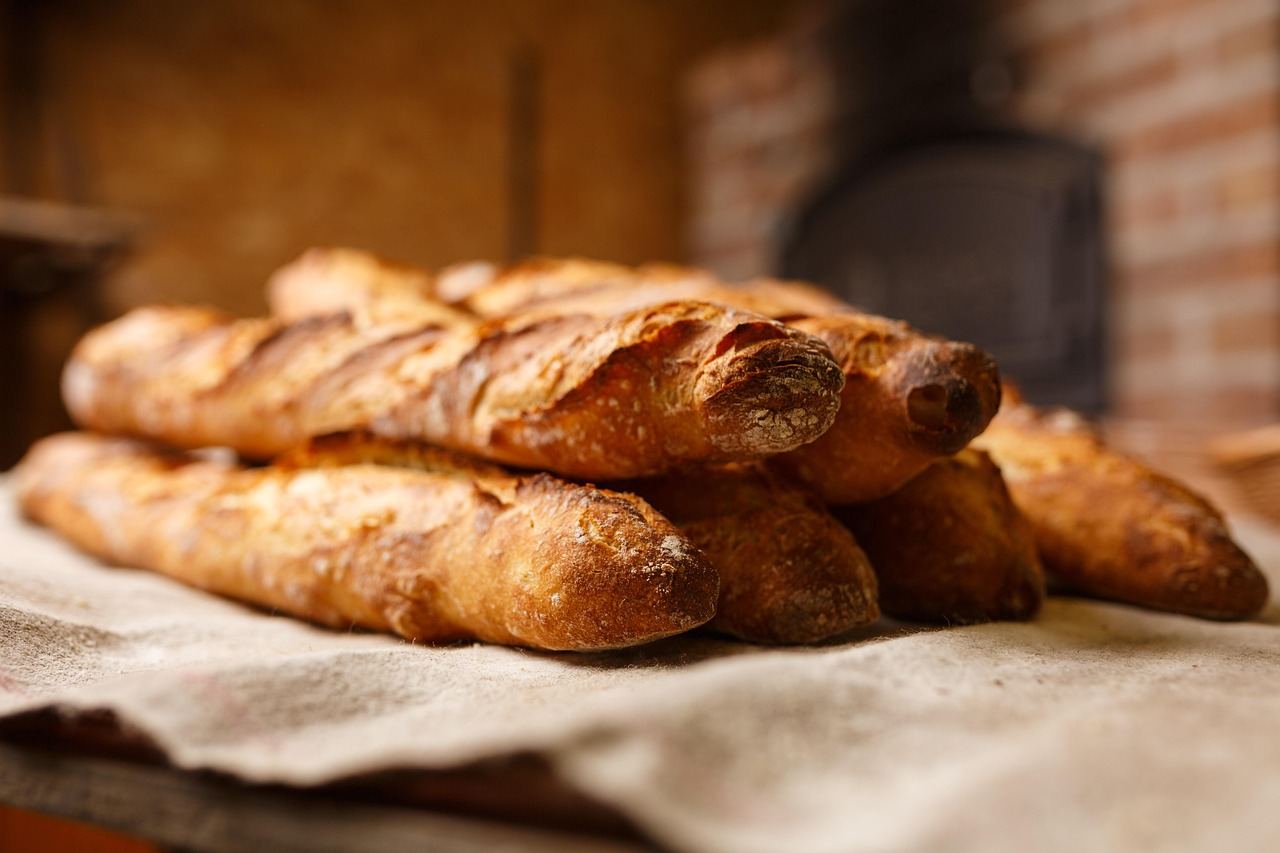
Blade shape matters too. According to The Fresh Loaf, curved lames are generally used for long breads like baguettes, which are scored with cuts parallel to the long axis of the loaf.
Next, prepare the dough. Cold dough cuts more cleanly: Make It Dough says cold dough is much easier to score, and Nourish and Nestle suggests the freezer for about 30 minutes if your recipe has no cold overnight proof.
Rice flour helps the design show. Make It Dough says it does not scorch in the oven’s high temperatures, so it stays lighter and will not make your loaf taste burnt.
How to score bread step by step
These steps combine the routines in the sources. Work quickly, because a loaf that sits waiting loses strength.
- Turn the chilled dough out of its basket onto parchment paper.
- Brush away any flour that has hardened or caked on the surface.
- Lightly mist the top with water, dust with rice flour, and smooth it into an even layer.
- Press a taut piece of string onto the dough if you want a guide line for a design.
- Make your main cut in a single quick, confident motion at the angle and depth you chose.
- Add any shallow decorative cuts, then bake right away.
Speed is what separates a clean line from a ragged one. Make It Dough warns that scoring too slowly makes even a sharp blade drag, and The Fresh Loaf says the stroke should be firm, rapid, smooth and decisive.
Practice helps more than theory. The same tutorial admits there is no substitute for experience, so take a few practice swings in the air before the first real cut.
If you bake in a covered pot, read up on dutch oven bread baking for loading and steam. Make It Dough notes that steam delays crust formation, giving the dough time to expand fully.
How do angle and depth change the cut?
The angle of the blade decides how the cut opens. The sources describe two basic options:
- Blade held vertically, at 90 degrees: The Fresh Loaf says the cut spreads equally and opens quickly, and is usually made ¼ to ½ inch deep.
- Blade held at a shallow angle: the flap lifts and slows the opening to form an ear. The Fresh Loaf gives about 20-30 degrees for this cut, while Make It Dough recommends an angle of 45 degrees.
Nourish and Nestle sums up the difference: a 90 degree cut splits the loaf down the middle with no ear or flap, while a 45 degree cut creates the classic ear.
Depth is where many beginners go wrong, because a shallow angled cut is the one that lifts best. The Fresh Loaf puts an angled ear cut at about ¼ inch deep and warns that a deeper cut makes the flap close from its own weight.
Other writers cut deeper for the main score. Nourish and Nestle says about half an inch is right and anything deeper risks deflating the structure, while Make It Dough says a loaf scored too little may burst and one cut too deep may lose its structure.
A sensible approach is to start shallow and angled, then go deeper only if your loaf bursts at the sides.
Which scoring patterns suit which loaf?
Pattern changes more than looks. The Fresh Loaf, drawing on Michael Suas, links each shape to a way the loaf expands.
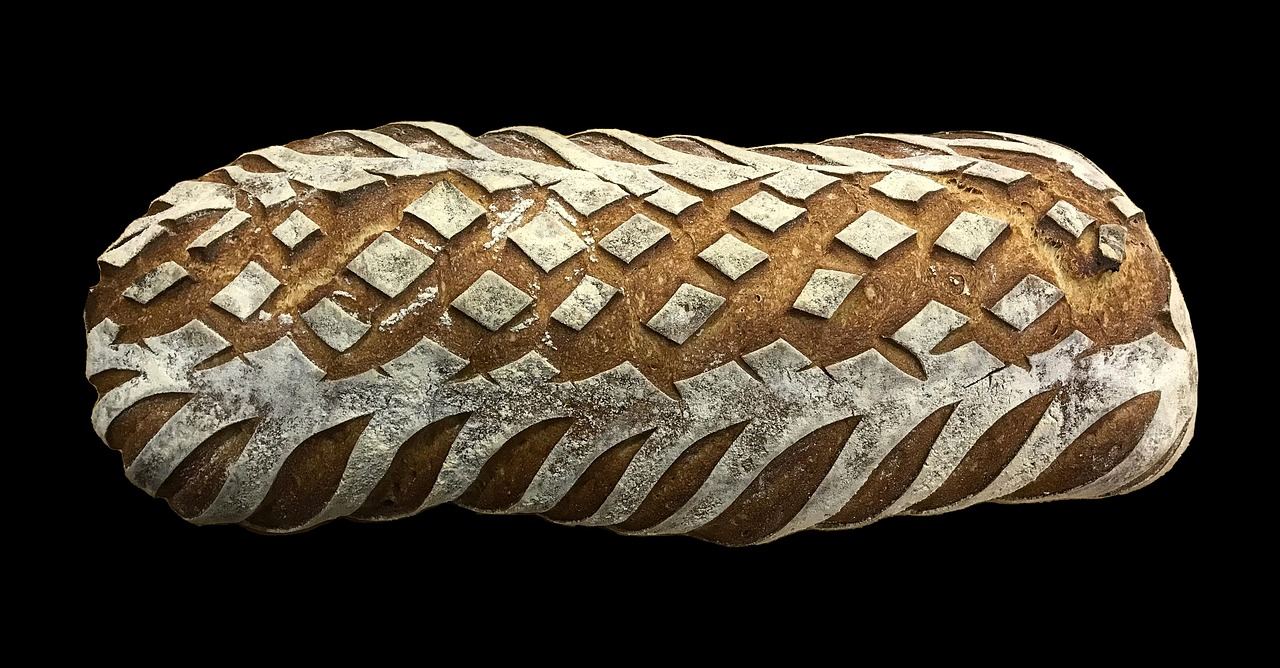
- Baguettes and bâtards: traditionally scored parallel to their long axis, as a single long cut or several overlapping cuts.
- Boules with a cross or tic-tac-toe grid: expansion goes upward, while more complex patterns like diamonds give a relatively flatter loaf.
- Boules with multiple parallel cuts: expansion goes at a right angle to the cuts, giving an oblong loaf.
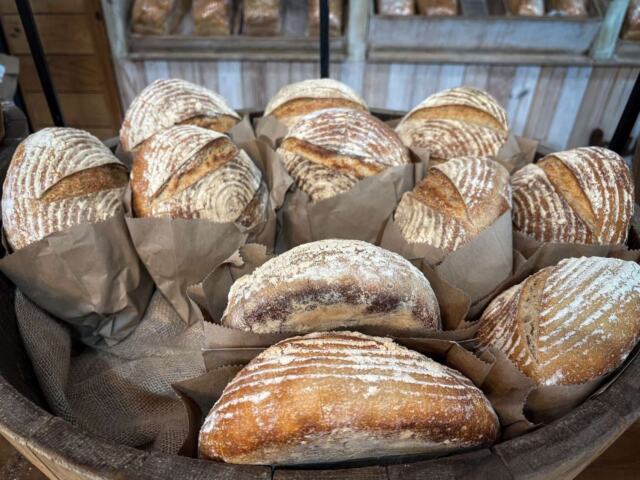
King Arthur Baking adds that a single or double slash promotes a large opening, while a series of small, delicate slashes creates a more intricate design.
For fancy designs, split the work into two kinds of cut. Make It Dough describes decorative cuts as smaller, shallower cuts that do not affect the loaf’s structure but add visual interest, so keep one deeper essential cut to do the structural work.
Common scoring mistakes and how to fix them
- The blade drags. Use a fresh blade and cut faster. Make It Dough suggests rubbing a little oil on the blade if it still drags.
- You hesitate mid-cut. Nourish and Nestle calls hesitating one of the most common reasons scores drag or tear.
- The dough is over- or underproofed. The same page says underproofed dough can expand aggressively and tear, while overproofed dough often lacks the strength for good oven spring, however nice the scoring is.
- The loaf waits too long. Make It Dough says letting scored dough sit may cause it to deflate and lose strength.
Fix one thing at a time and bake a few loaves, so you can tell which change made the difference.
Frequently asked questions
What angle should I hold the blade for an ear?
Show answer
Hold it shallow. The Fresh Loaf gives about 20-30 degrees, while Make It Dough recommends 45°, so try both on your own dough.
How deep should I score?
Show answer
For an angled ear cut, The Fresh Loaf says about ¼ inch. For an essential cut, Make It Dough says at least ¼ to ½ inch.
Do I need a lame?
Show answer
A lame is the usual choice, and Make It Dough advises a double-edged razor blade in one. The Fresh Loaf says other very sharp blades, including serrated ones, are also used.
Should I score cold dough?
Show answer
Yes, if you can. Nourish and Nestle says to score straight from the fridge after a cold overnight proof, because firmer dough cuts more cleanly.