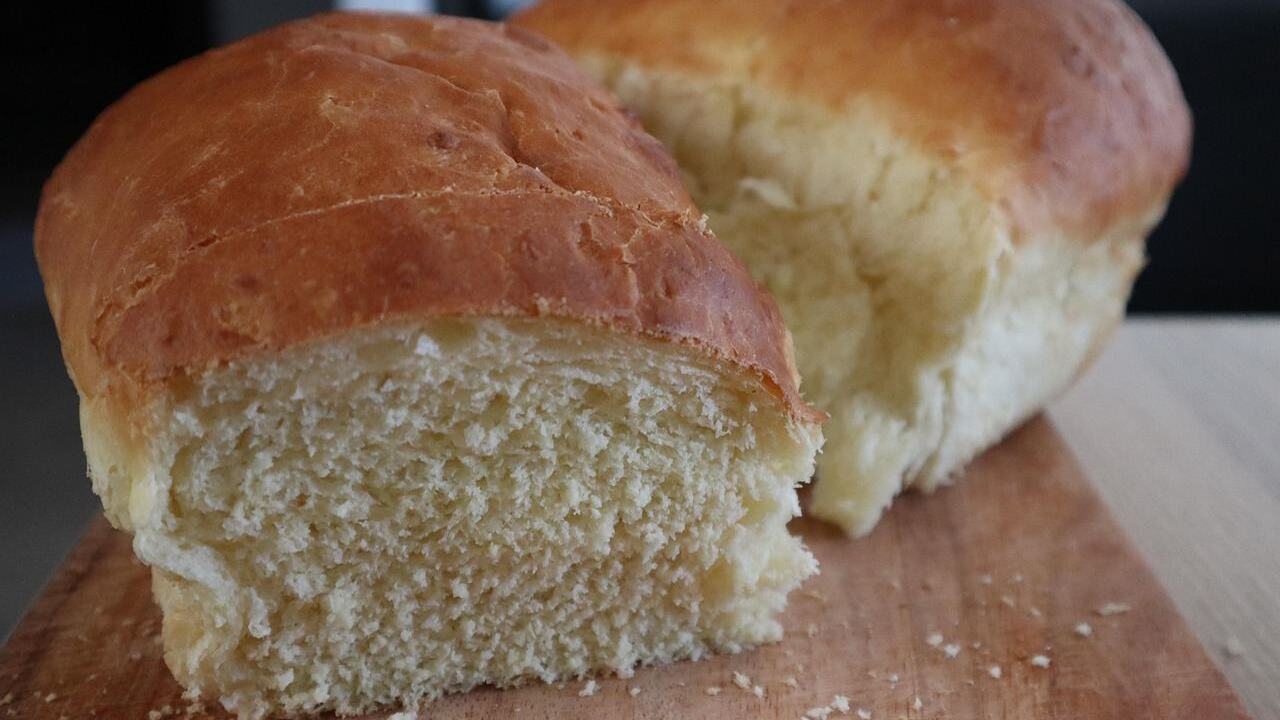
Want a brioche recipe that turns out rich, buttery bread at home? Mix an egg-and-butter dough, knead it well, chill it overnight, then shape and bake. Most of the time is waiting, not work.
This recipe is part of the French baking collection on the site, so you will find related doughs and techniques there.
| Item | Value |
|---|---|
| Oven temperature | 350F (180C) |
| Bake time | 30 minutes |
| First rise at room temperature | 1hr30m-2hr, until doubled |
| Overnight rest in the fridge | 8 to 14 hours |
| Butter per 250g of flour | 175g |
| Shelf life at room temperature | 2-3 days |
The figures come from Pardon Your French and Baking Sense. Recipes get updated and ovens vary, so check the sources before you rely on the numbers.
What makes brioche different from other bread
Brioche is an enriched dough: the basic flour, water, salt and yeast gain butter, eggs and sugar. Foodal explains that these extras give richness, a tender chew and a soft, sweet outer crust.
The word is old. Baking Sense notes that the first recorded use of the word in French was in the year 1404.
The version below is the French butter brioche, known as brioche pur beurre. Pardon Your French calls it one of the simplest to make at home, since it needs only flour, sugar, butter, eggs and yeast.
The classic serving is the brioche à tête, a small round roll baked in a fluted dish with a tiny head on top, according to Foodal. This recipe skips the fluted dish and bakes six dough balls together in a loaf pan.
Ingredients for a simple butter brioche
These amounts follow Pardon Your French and fill one small loaf pan. The same page says that measuring by weight in grams keeps amounts much more accurate, which matters for a dough this precise.
- Eggs: 163g, roughly 3 large eggs, at room temperature.
- All-purpose flour: 250g.
- Sugar: 25g.
- Salt: 1 tsp.
- Instant yeast: 1 packet (8g).
- Unsalted butter: 175g, cold and cubed.
- Egg wash: 1 egg whisked with 1 tbsp (15ml) of milk.
The eggs need care. The source says they should weigh exactly 163g, which is usually 3 large eggs, and that you should remove some egg white if yours weigh more.
Flour and yeast are where recipes disagree. Baking Sense uses high-protein bread flour for a strong gluten network and prefers active dry yeast, while Pardon Your French insists on instant yeast rather than active dry. Pick one recipe and stick to its yeast.
If you would rather bake with a French flour, the guide to French flour type 55 is the place to start.
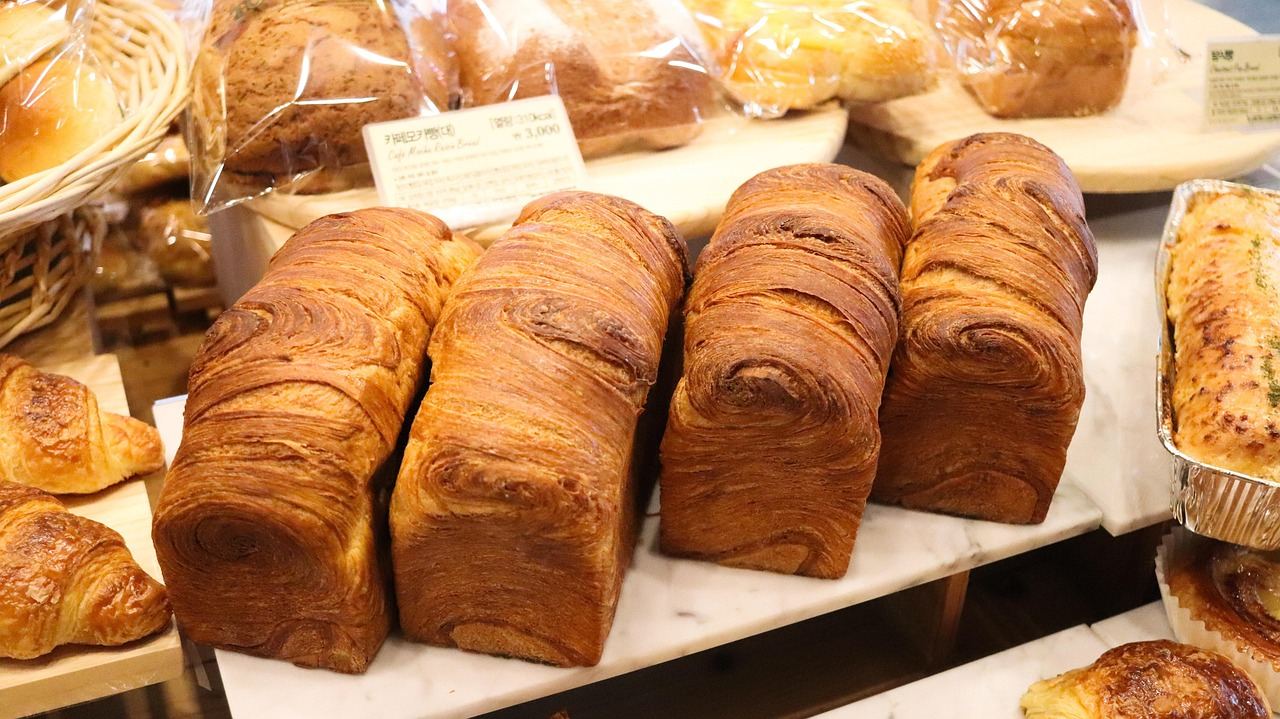
Brioche recipe step by step
This is a two-day method: Pardon Your French says the recipe is made over 2 days. Knead and rise on day one, then shape and bake the next morning.
- Put the eggs in a large bowl and top with the flour and sugar. Add the salt on one side and the yeast on the other so they don’t touch, because salt can kill or slow the yeast.
- Mix with a spatula or hook attachment for 10 minutes, until everything forms a sticky ball.
- Add a quarter of the cold cubed butter and mix until no bits are visible. Keep adding the butter in small amounts, kneading well between each addition.
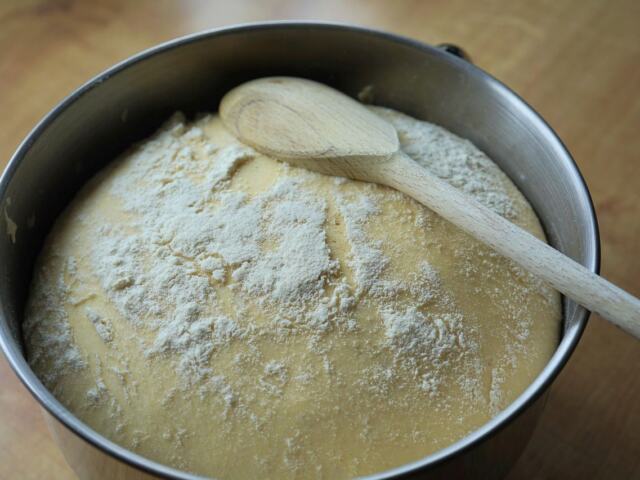
- Cover the bowl and let the dough rise in a draft-free spot at room temperature for 1hr30m-2hr, until doubled. The source gives the ideal room temperature for rising as 80°F – 90°F (26.5°C – 32.2°C).
- Move the bowl to the fridge for the second rise. Overnight means a range between 8 to 14 hours.
- Next morning, let the dough warm up for 1 hour, then grease and flour a 8.5×4.5×2.5-in loaf pan.
- Divide the dough into 6 equal pieces, shape each into a ball and set them in the pan in 3 rows of 2.
- Cover and let rise for about 1 hour, until the balls almost double in size. Preheat the oven to 350F (180C).
- Brush with the egg wash and bake for 30 minutes, until golden and a knife inserted in the middle comes out clean.
- Cool on a rack for 15 minutes before removing the loaf from the pan.
Follow the golden rule from the same source: never open the oven door while the brioche bakes, or it will fall flat.
How do you handle the butter and the kneading?
Butter temperature is the biggest difference between recipes. Pardon Your French adds cold cubed butter in small amounts, while Baking Sense softens it first so it is pliable but not melted and greasy, then adds it a tablespoon at a time.
Either way, the dough will break apart when the butter goes in. Keep going, and Baking Sense says it comes back together, gathers on the hook and slaps the sides of the bowl again.
Baking Sense also points out that European butter has a lower water content, so it stays more pliable and is easier to work in. Pardon Your French adds that for brioche and for laminated pastries like croissants, butter quality makes a big difference. If you like working with butter, croissant lamination is a natural next project.
Another French brioche, from Matt Adlard, lists 350 g of soft butter alongside 500 g of plain flour, and the butter goes in a piece at a time.
For kneading, Baking Sense gives a stand mixer on medium for 10-15 minutes before the butter goes in. By hand, it says you would need to fold and slap the dough for a good 20-30 minutes, and warm hands heat the dough too much. Pardon Your French says hand mixing is doable with some elbow grease.
Common worries, answered by the sources:
- The dough is wet and sticky. That is normal for this dough, according to Pardon Your French.
- The dough is hard to shape. Chilling firms up the butter and makes the dough easier to handle, says Baking Sense.
- The loaf collapsed. Check that you did not open the oven door during baking.
Chilling, storing and using leftovers
The overnight chill does two jobs. Matt Adlard explains that fat slows the yeast, so a long proof helps, and the cold dough is also easier to handle. Pardon Your French adds that a slow rise in the fridge builds flavor.
Timing varies. Baking Sense says to refrigerate the dough for 4 hours or overnight, while Pardon Your French defines overnight as a range between 8 to 14 hours.
Baked brioche stays fresh for 2-3 days at room temperature, says Baking Sense. You can freeze the whole loaf or slice it first, and leftovers make French toast or bread pudding.
The dough also works for other bakes. Baking Sense suggests rolling it with cinnamon sugar and raisins for a swirled loaf, or shaping cinnamon buns or a chocolate babka.
Frequently asked questions
Can I make brioche without a stand mixer?
Show answer
Yes, but expect effort. Pardon Your French says hand mixing is doable with some elbow grease, while Baking Sense warns it is not easy and takes a good 20-30 minutes of folding and slapping.
Should I use instant or active dry yeast?
Show answer
It depends on the recipe. Pardon Your French calls for instant yeast, not active dry, while Baking Sense prefers active dry because the dough has sugar and rises slowly in the fridge.
Can I knead brioche in a bread machine?
Show answer
Matt Adlard says no. In his words, brioche is almost 50% butter, so a bread machine’s kneading attachment would never be strong enough to knead the butter into the dough.
Can brioche be frozen?
Show answer
Yes. Baking Sense says to freeze either the whole loaf or slices, which makes it easy to take out one portion at a time.