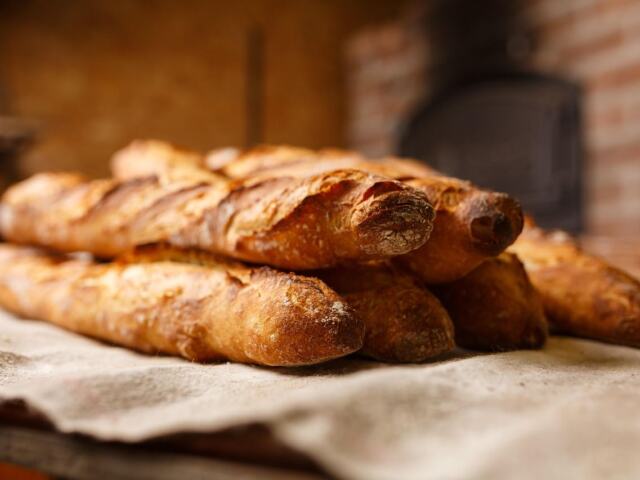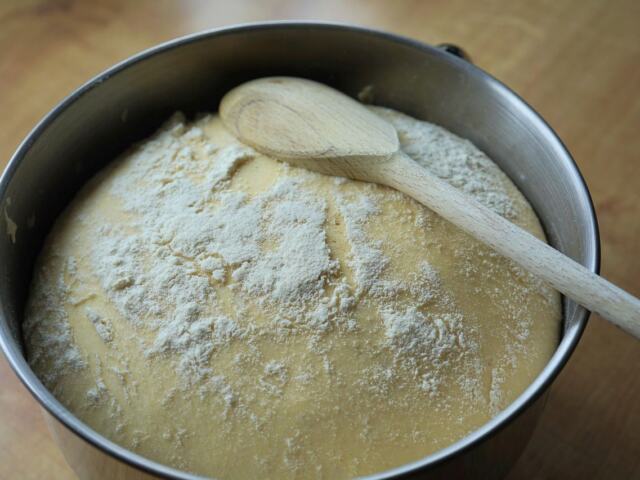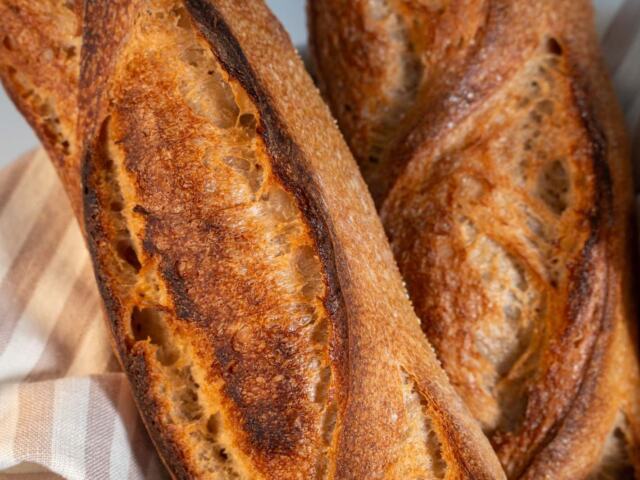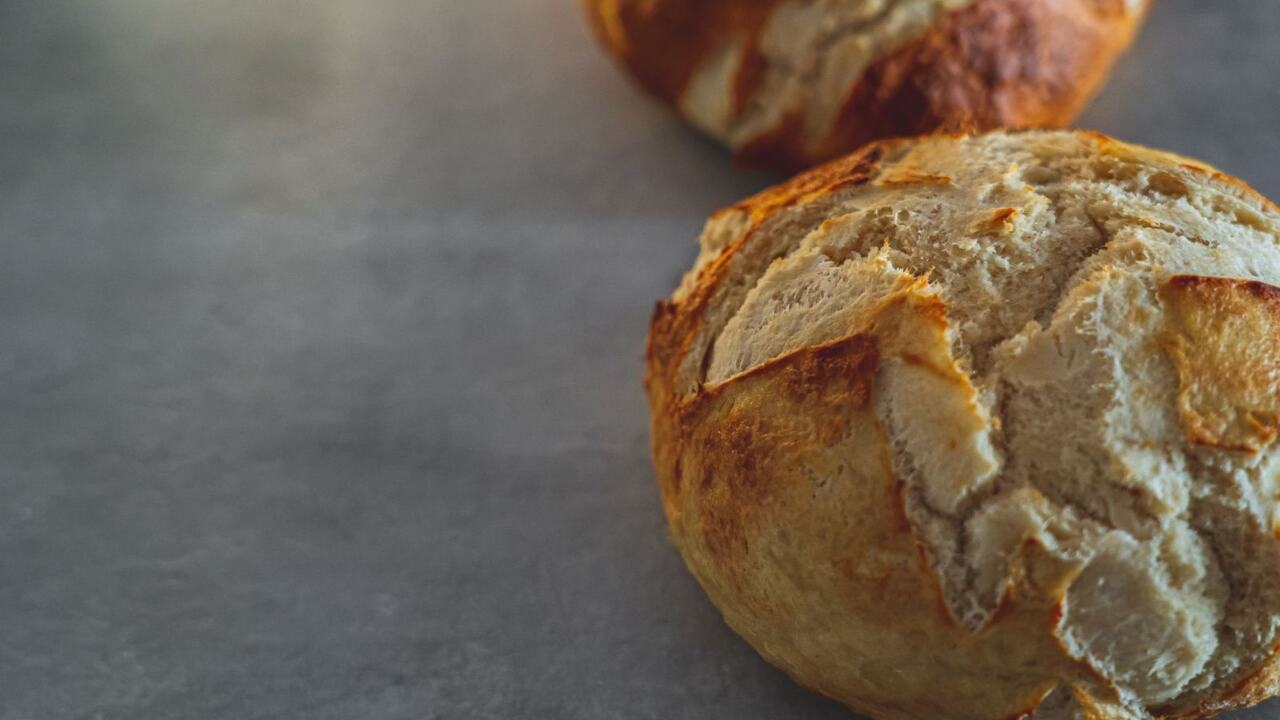
Wondering how to bake a rustic loaf without a bakery oven? This pain de campagne recipe uses a rye-and-whole-wheat levain, an overnight fridge rest and a hot Dutch oven. You get a chewy crust and a gentle, slightly tight crumb.
This loaf is one part of the wider world of French baking, where patience counts for more than effort.
| Item | Value |
|---|---|
| Levain rest | 20-24 hours at a cool room temperature |
| Kneading the final dough | Around 3-5 minutes |
| Salt in the final dough | 7 g |
| Oven temperature | 450°F (230°C) |
| Bake time | 20 minutes lid on, then 20-25 minutes lid off |
| Cooling before slicing | At least 20-30 minutes |
These figures come from Caroline’s Cooking and Cup of Yum. Recipes get edited and ovens vary, so check the source before you rely on them.
What pain de campagne is
The name translates as country bread, and Caroline’s Cooking describes it as a bread you will find across France. It used to be baked in large loaves at a communal bakery to feed a family over a number of days. Baguettes later took over in popularity, but the country loaf has made a comeback with the interest in artisan baking.
Most versions are built on a sourdough base, with mostly bread flour and a little whole wheat and rye. A Fresh Loaf post on a Bordeaux loaf says the bread is often called a pain de campagne or a pain au levain, with Bordeaux as one regional tradition.
The sourdough base is where your choice of pre-ferment matters. If you are weighing your options, the guide to poolish vs levain is a useful companion read.
Ingredients and the levain
The amounts below follow Caroline’s Cooking and make one round loaf. Mix the levain first, then the final dough a day later.
Levain (first evening):
- 75 g active sourdough starter
- 75 g rye flour
- 25 g whole wheat flour
- 25 g bread flour (or all-purpose)
- 100 g water
Final dough (second evening):
- 225 g bread flour (or all-purpose)
- 50 g whole wheat flour
- 25 g rye flour
- 200 g water
- 7 g salt
Rye makes up much of the levain flour, and Cup of Yum says the rye and whole wheat give the loaf subtle earthiness and depth of flavour. If the levain looks sluggish after its rest, the same page suggests adding ¼ teaspoon of instant dried yeast to the second-day mix.
Step-by-step method
This timeline from Caroline’s Cooking puts the bake on the third morning, so the work is spread thinly across the days. The cold overnight rise means you skip a second rise before baking.
- First evening: mix the starter, flours and water into a relatively thick paste. Cover it and leave it for 20-24 hours at a cool room temperature. Bubbles visible through the side of a clear bowl show it is active.
- Second evening: add the remaining ingredients to the levain and mix. Knead on a lightly floured surface for around 3-5 minutes. The dough will be soft and a little sticky, but not so sticky that you can’t handle it.
- Rest: leave the dough as a ball on the counter, covered with an upturned bowl, for an hour.
- Shape: flour a banneton or a towel-lined bowl. Fold the sides of the dough in tightly to form a round and set it in the basket join side up.
- Chill: cover and refrigerate to rise slowly overnight.
The slow rise has a side benefit: Caroline’s Cooking finds that the overnight prove leads to a lovely even shape. It also lets you bake whenever suits you, without getting up at dawn for a second rise.
Baking in a Dutch oven
Preheat the oven to 450°F (230°C) with the Dutch oven inside, as Cup of Yum directs. Cut a sheet of parchment that covers the pot base and rises slightly up the sides, so you can use it as a sling.
Turn the chilled dough upside down onto the parchment and slash the top with a lame or sharp knife. Lower it into the hot pot, bake 20 minutes with the lid on, then remove the lid and bake for a further 20-25 minutes. The loaf is ready when it is evenly brown and sounds hollow when tapped.
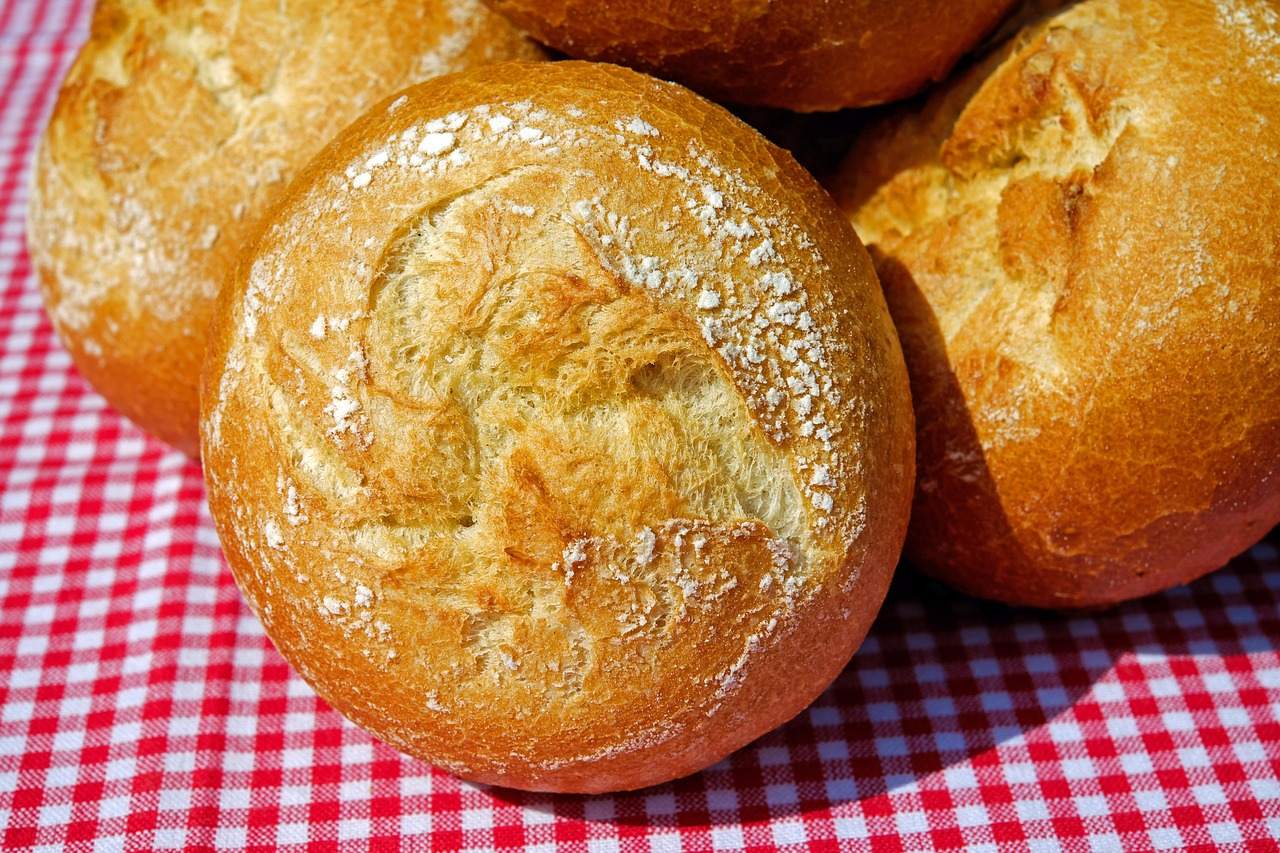
The lid matters because it lets the loaf steam, and removing it afterwards lets the top crisp, according to Caroline’s Cooking. She also recommends preheating the pot for a crispy bottom, and cooling the bread for at least 20-30 minutes before slicing.
Bakery-style variation from Bordeaux
A Fresh Loaf recipe scales down a commercial Bordeaux formula to 1500 grams of dough, which makes two batards or boules. Its final dough, in baker’s percentages, looks like this:
- 90% bread or all-purpose flour
- 8% rye flour, coarse if possible
- 2% whole wheat flour
- 60% water
- 2.4% salt
- 40% liquid levain
The post’s bulk fermentation takes about two hours when the dough temperature is around 75 degrees, with a fold after one hour. The oven is set to about 470 degrees, and the author puts the bake at 35-50 minutes while noting that he has never made it in a home oven.
That author baked in a commercial deck oven with a powerful steam generator, so a home oven may give less oven spring. Bake until the crust is deep brown, almost burgundy, a colour the post credits to the non-white grains.
For scoring, the same post suggests a single long slash from end to end. Hold the blade at a 45 degree angle to the top of the loaf for a better grigne, the raised ridge along the cut.
Troubleshooting tang, density and colour
- Too tangy: one baker on The Fresh Loaf normally uses around 20% levain plus 1/4 tsp of instant yeast for a less tangy loaf, and notes that cold retardation increases acidity.
- Sourer the longer it sits: a Wordloaf no-knead formula allows 8 to 24 hours in the fridge and says the flavour gets more sour the longer it proofs.
- Dense crumb: if you knead in a mixer, the Bordeaux recipe warns that overmixing creates a denser final product.
Once the country loaf feels routine, croissant lamination is a natural next project in French baking, though it asks for a different kind of patience.
Frequently asked questions
Do I need a Dutch oven?
Show answer
Caroline’s Cooking calls a Dutch oven or other large, heavy lidded pan the best way to bake this loaf, because the lid lets it steam. The Fresh Loaf Bordeaux recipe instead steams the oven and says a pizza stone is recommended though not ultimately necessary.
Can I use all-purpose flour?
Show answer
Yes. Caroline’s Cooking says the main flour is bread flour, or you can use all purpose, alongside a little whole wheat and rye.
Can I make it without a sourdough starter?
Show answer
Not really, because the levain is the backbone of the loaf. The Fresh Loaf Bordeaux post notes that its liquid levain requires a sourdough culture. Instant yeast only helps a sluggish levain, at ¼ teaspoon in the Cup of Yum version.
How long should the bread cool?
Show answer
Let it sit on a rack for at least 20-30 minutes before slicing, as Caroline’s Cooking advises.
How should I score the loaf?
Show answer
Use one long slash from end to end, with the blade at a 45 degree angle to the top of the bread, as the Fresh Loaf Bordeaux post suggests. A round loaf can simply be slashed across the top with a lame or sharp knife.