Looking for a fougasse recipe that looks impressive but stays simple? You need an olive-oil dough, two rises, wide slashes and a hot oven. Bake it for 12 to 15 minutes, then tear it warm.
This loaf belongs to the wider world of French baking.
| Item | Value |
|---|---|
| Oven temperature | 460 °F |
| Bake time | 12 to 15 minutes |
| First rise | about 1 to 1½ hours |
| Final rise after shaping | 30 to 45 minutes |
| Dough thickness | about 0.5 inches thick |
| Kneading time in a stand mixer | about 8 to 10 minutes in total |
These figures come from Taste France and La Cuisine de Géraldine. Recipes and times can change, so check the source before you rely on them.
The story behind fougasse
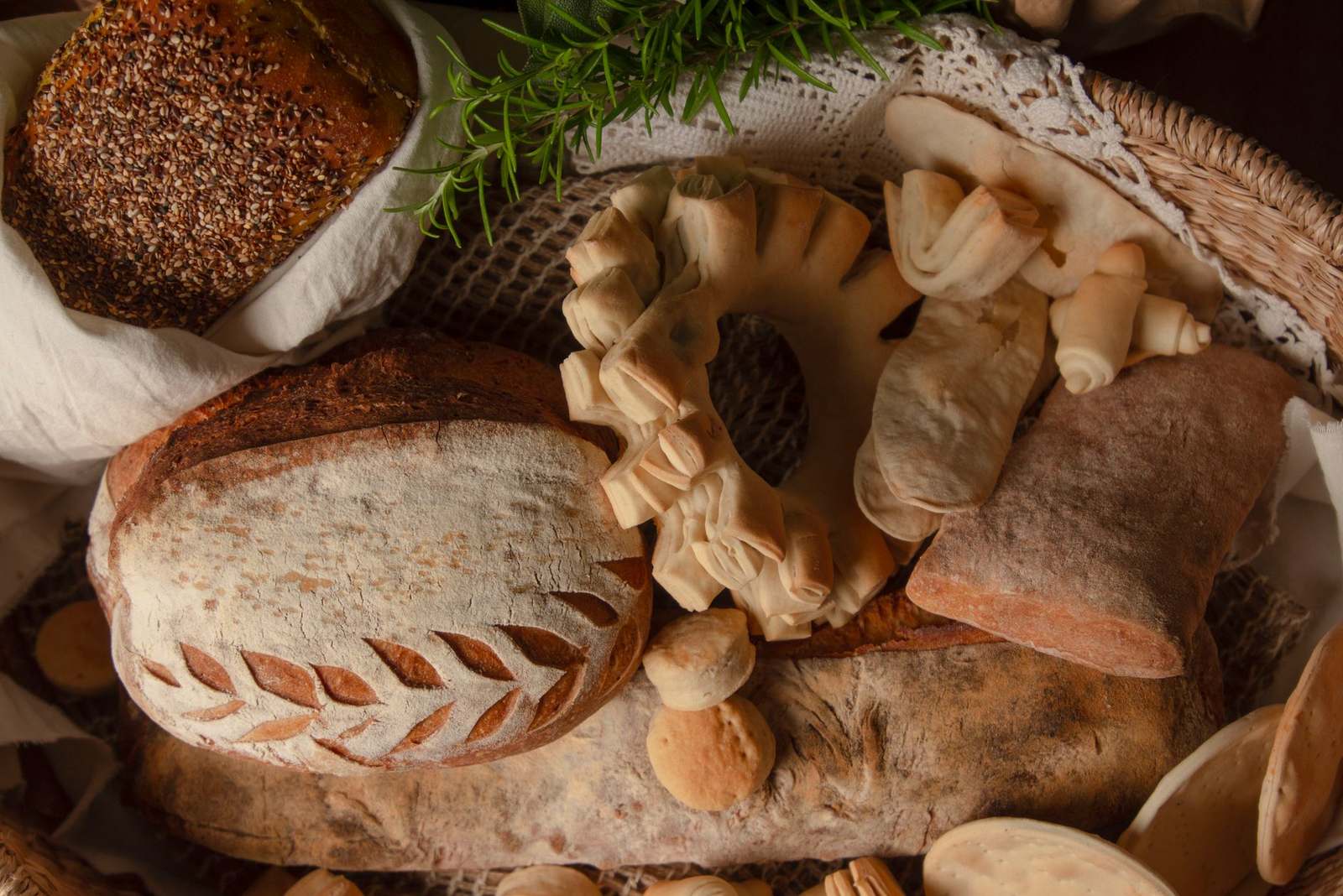
Fougasse is a traditional bread from Provence and a staple of French summer apéritifs, according to Taste France. Its most recognisable feature is the leaf shape, inspired by a head of wheat or an olive leaf.
The name traces back to the Roman panis focacius, a flatbread baked in the ashes of the hearth, with focus being the Latin word for hearth, as Obviously French explains. Italian focaccia is a cousin from the same family.
Fougasse also had a job to do. Bakers used it as an oven test, checking whether a wood-fired oven had reached the proper temperature before they baked larger loaves, as Taste France notes.
There is a sweet side too. A sweet version is among the Thirteen Desserts of Provençal Christmas festivities, according to Cynthia Bertelsen’s food history post. You can place fougasse among the other loaves in this guide to types of French bread.
Ingredients for two fougasses
The quantities below follow the olive and rosemary recipe from La Cuisine de Géraldine, which divides the dough into two pieces.
- 4 cups bread flour
- 1¾ tsp fine salt
- 2¼ tsp instant yeast (or ¾ oz fresh yeast)
- 1¼ cups cold water
- 3½ tbsp olive oil
- 1 tbsp dried rosemary for the dough
- For the topping: 1 cup pitted olives, green or black, plus 2 tbsp olive oil mixed with 2 tsp dried rosemary
That recipe describes US bread flour as the closest equivalent to French T65. If you want to match French flours more closely, read the notes on French flour type 55.
Olive oil is not optional here. It goes into the dough for softness and flavour and gets brushed on top for a golden crust, as Obviously French points out.
Making the dough
The dough is a simple, olive-oil-enriched one, and a stand mixer makes it easy. The method below follows La Cuisine de Géraldine.
- Add the flour to the mixer bowl, then the instant yeast, and mix. Add the salt and mix again.
- Drizzle in the cold water and olive oil and knead at medium speed. About 2 minutes before the end, add the dried rosemary.
- Knead until the dough is smooth, supple and pulls away from the sides, which takes about 8 to 10 minutes in total.
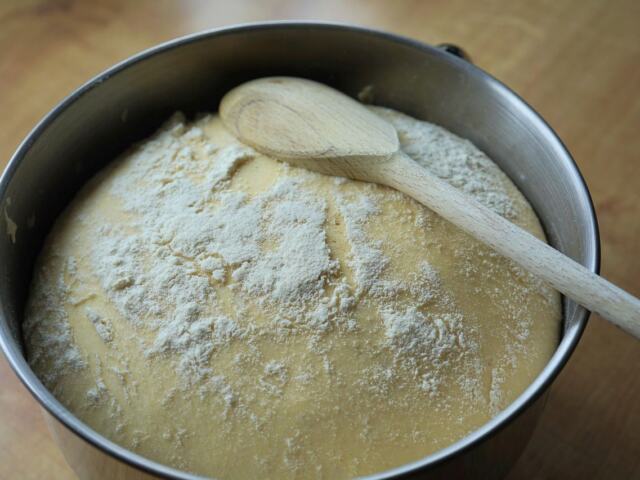
- Cover with a clean damp cloth and leave at room temperature until doubled, about 1 to 1½ hours, as Taste France also suggests.
- Press the dough down with your fist, divide it into two equal pieces and let them rest for 15 to 20 minutes under a towel.
That short rest lets the gluten relax, which makes the dough far easier to stretch into a leaf.
Shaping and slashing the leaf
Stretch or roll each piece into an elongated oval or triangle about 0.5 inches thick and set it on an oiled or parchment-lined baking sheet, following Taste France. Do not go too thin, or you lose the soft middle.
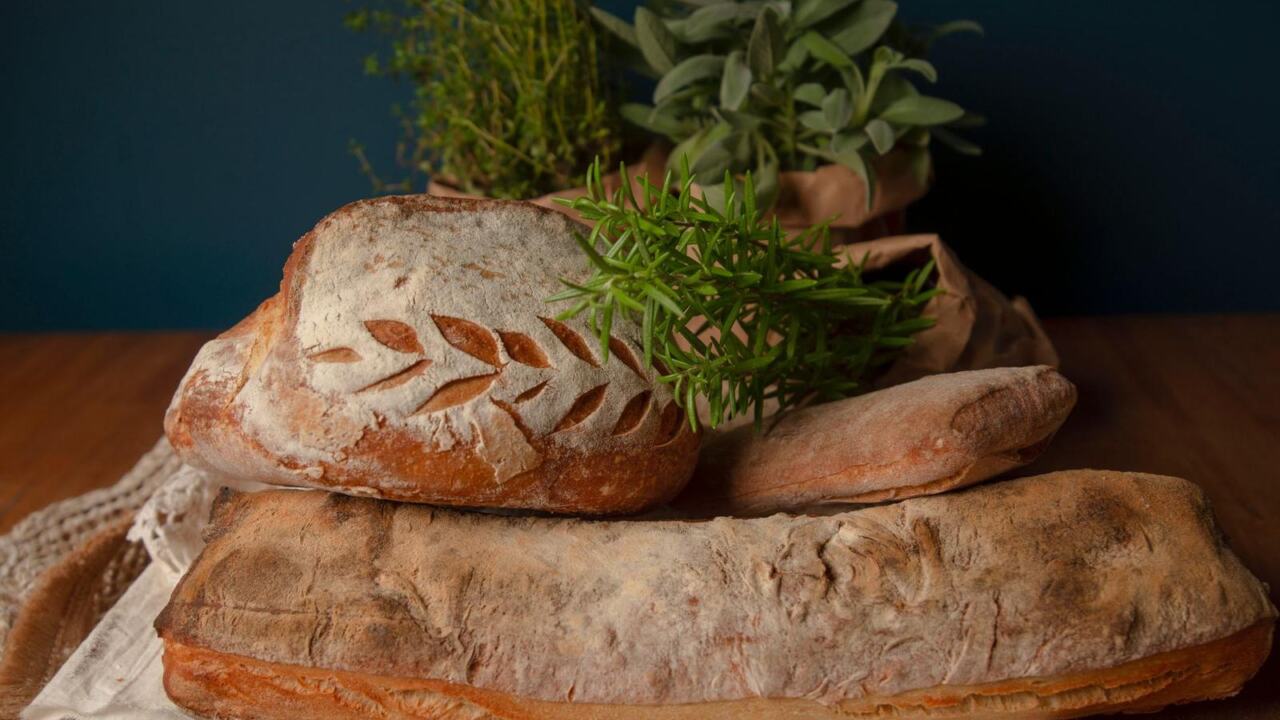
Next come the slashes. Cut two lines down the centre and three diagonal lines on each side to form a leaf shape, as Taste France describes.
Then pull every opening wide apart with your fingers, much wider than you think necessary, as La Cuisine de Géraldine advises. Obviously French gives the reason: the cuts close up as the dough proves and bakes.
Press the olives lightly into the dough, cover with a damp cloth and let the shaped loaves rise for 30 to 45 minutes while the oven heats.
Baking and topping ideas
Preheat the oven to 460 °F, the temperature used by Taste France. La Cuisine de Géraldine instead gives 475°F (240°C) fan, so treat the exact figure as a starting point for your own oven.
Just before baking, brush the loaves with olive oil mixed with rosemary and add a pinch of flaky salt. Bake for 12 to 15 minutes, until deep golden brown and hollow-sounding when tapped on the bottom, per La Cuisine de Géraldine.
The same dough takes many toppings. Taste France suggests three pairings:
- Nyons black olives with herbes de Provence
- Sun-dried tomatoes with creamy French goat cheese
- Smoky French lardons with grated Ossau-Iraty
Depending on the recipe, such ingredients can go into the dough, onto the surface before baking, or both.
Fougasse versus focaccia, and keeping leftovers
Taste France says fougasse is lighter and more rustic than focaccia, with a thinner dough, in its fougasse recipe trio. La Cuisine de Géraldine adds that focaccia is baked in a much more heavily oiled pan and spreads edge to edge, while fougasse is scored for maximum crust.
Fougasse is really a same-day bread, best eaten warm while the crust is crisp. Obviously French suggests keeping leftovers in a paper bag at room temperature for a day, then refreshing them in a hot oven for 5 minutes.
For longer storage, the same source says to cool the bread completely, wrap it well and freeze it for up to a month. Reheat from frozen in a hot oven for 8 to 10 minutes.
Frequently asked questions
What flour works for fougasse?
Show answer
Bread flour works well. La Cuisine de Géraldine calls it the closest US equivalent to French T65.
Why must the slashes be so wide?
Show answer
They shrink as the dough proves and bakes. Obviously French warns that timid cuts close up and you lose the crust and the shape.
How do I know my fougasse is done?
Show answer
Look for a deep golden brown colour and a hollow sound when you tap the bottom, which usually takes 12 to 15 minutes according to La Cuisine de Géraldine.
Can I add other toppings?
Show answer
Yes. Obviously French lists cheese and lardons, anchovy and onion, or sun-dried tomato and herbs as variations.